
1. Product Overview
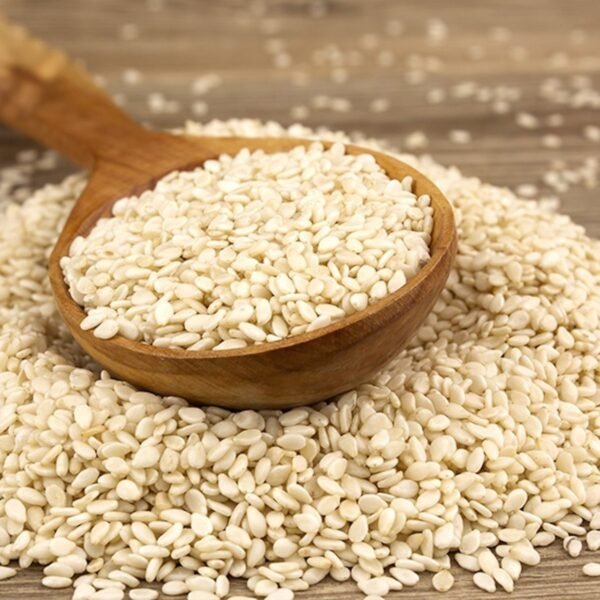
Sesame Seeds are high-quality oilseeds valued for their nutritional profile, oil content, and versatility across food and industrial processing. They are widely used in bakery products, confectionery, edible oil production, sauces, snacks, and ingredient manufacturing. Their consistent quality, strong market demand, and broad processing applications make them a strategic commodity for food manufacturers, processors, and international bulk buyers. Reliable sourcing supports stable production planning and competitive procurement.
2. Key Specifications & Technical Characteristics
- Material: Natural sesame seeds (Sesamum indicum)
- Composition: High in natural oils, protein, dietary fiber, carbohydrates, and minerals
- Grade: Food-grade; industrial specifications available according to buyer requirements
- Purity: Typically 98–99% minimum, subject to agreed specification
- Appearance: Clean, mature seeds with uniform size and characteristic sesame color
- Color: White, natural, cream, or other varieties depending on specification
- Form: Whole, cleaned, and sorted seeds
- Moisture: Typically controlled to approximately 6–8%, subject to contract specification
- Packaging: 25 kg, 50 kg bags, or bulk packaging as required
- Shelf Life: Typically up to 12 months when stored under suitable dry, cool, and hygienic conditions
- Documentation: Commercial specifications, quality certificates, and inspection documentation available upon request
3. Core Industrial Applications
- Food Processing: Used in bakery products, breads, biscuits, crackers, cereals, and prepared foods for flavor, texture, and nutritional enhancement.
- Confectionery & Snacks: Applied in sesame bars, sweets, snack products, and specialty food formulations.
- Edible Oil Production: Processed for high-value sesame oil used in food manufacturing and culinary applications.
- Sauces & Ingredient Manufacturing: Utilized in tahini, dressings, sauces, and blended food ingredients.
- Industrial Processing: Suitable for cleaning, roasting, pressing, grinding, and further value-added processing.
- Performance Advantage: High oil content, distinctive flavor, nutritional value, and processing flexibility provide strong commercial utility compared with less versatile oilseed alternatives.
4. Competitive Advantages
- Quality Consistency: Controlled cleaning, sorting, and grading help maintain uniformity across bulk shipments.
- Supply Reliability: Structured sourcing supports dependable volumes and repeat procurement programs.
- Logistics Capability: Bulk export supply can be coordinated according to containerized shipping and destination requirements.
- Price Competitiveness: Efficient bulk procurement supports commercially attractive pricing for large-volume buyers.
- Sustainability: Sesame production can support diversified agricultural supply chains and efficient utilization of agricultural resources.
- Technical Documentation: Product specifications, quality documentation, certificates, and inspection records can be provided according to buyer and destination requirements.
5. Commercial & Supply Information
- Minimum Order Quantity (MOQ): BULK 20 MT
- Loading Capacity: Approximately 20–25 MT per 20-foot container, subject to packaging, product density, and shipping regulations
- Supply Format: Bulk commercial export supply
- Packaging: Customized according to buyer requirements and destination-market standards



Reviews
There are no reviews yet.