
1. Product Overview
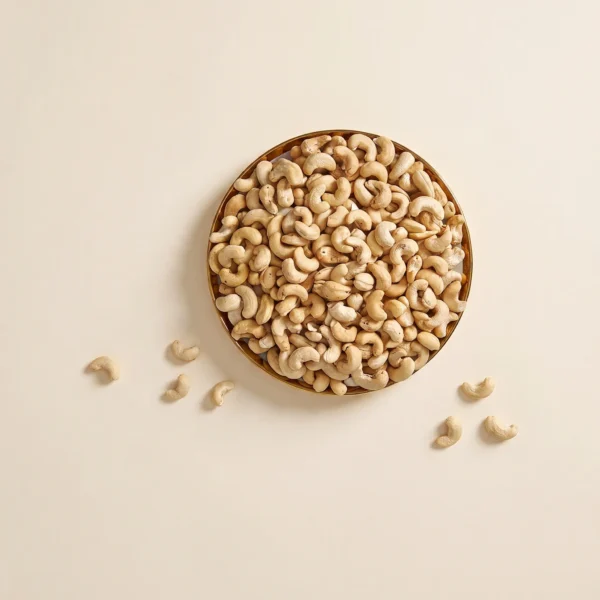
Raw Cashew Nuts (RCN) are naturally harvested, unprocessed cashew kernels enclosed in their shells and supplied as a key agricultural raw material for cashew processing. They are primarily used by processors for shelling, drying, grading, and conversion into edible cashew kernels, cashew butter, oil, and other value-added products. Their commercial value is driven by nut quality, kernel yield potential, moisture control, and consistent supply. Reliable sourcing of quality RCN supports efficient processing operations and stable downstream production.
2. Key Specifications & Technical Characteristics
- Material: Whole raw cashew nuts consisting of shell, cashew kernel, and natural cashew nut shell liquid (CNSL).
- Grade: Commercial raw cashew nut grade; specifications can be aligned with buyer requirements and applicable origin standards.
- Purity: Clean, sound nuts with controlled foreign matter and defects.
- Physical Characteristics: Natural raw nuts; generally light grey to brown shell coloration with characteristic cashew shape.
- Moisture: Typically controlled within commercially accepted levels to support storage and processing performance.
- Nut Count/Yield: Supplied according to agreed nut count, outturn/kernel yield, and quality parameters.
- Packaging: Standard jute bags, polypropylene bags, or other buyer-approved bulk packaging.
- Shelf Life: Approximately 6–12 months when properly dried, packaged, and stored under cool, dry, well-ventilated conditions.
3. Core Industrial Applications
- Cashew Processing: Primary raw material for shelling, peeling, drying, grading, and production of edible cashew kernels.
- Food Manufacturing: Processed kernels are used in snacks, confectionery, bakery products, cereals, nut mixes, and plant-based foods.
- Cashew By-Products: Shells and CNSL can support industrial applications including resins, coatings, friction materials, and other chemical products.
- Processing Efficiency: Consistent nut size, moisture, cleanliness, and kernel yield can improve shelling efficiency, reduce processing losses, and enhance overall production economics.
- Commercial Advantage: Direct bulk sourcing enables processors to secure substantial volumes while optimizing procurement and logistics costs.
4. Competitive Advantages
- Quality Consistency: Controlled sourcing and specification-based supply support predictable processing performance.
- Supply Reliability: Bulk availability designed to support continuous industrial procurement requirements.
- Logistics Capability: Containerized bulk shipments with documentation and loading arrangements aligned with international trade requirements.
- Price Competitiveness: Bulk 20MT procurement supports efficient unit economics for commercial processors and importers.
- Sustainability: Agricultural sourcing can support value creation across the cashew supply chain, while cashew shells and CNSL provide opportunities for by-product utilization.
- Documentation: Commercial documentation, quality specifications, packing details, and relevant shipment certificates can be provided according to transaction and destination requirements.
5. Commercial & Supply Information
- Minimum Order Quantity (MOQ): 20 MT Bulk
- Loading Capacity: Approximately 18–20 MT per 20-foot container, subject to packaging, loading configuration, and applicable weight restrictions.
- Supply Format: Bulk commercial shipment
- Trade Terms: Available according to buyer and seller agreement
- Quality Parameters: Final specifications to be confirmed against the buyer’s purchase requirements and agreed inspection standards.
Reviews
There are no reviews yet.