

1. Product Overview
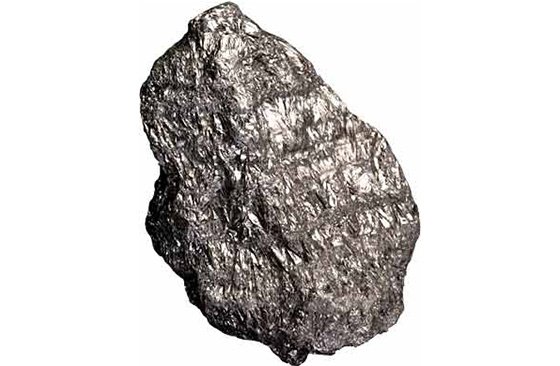
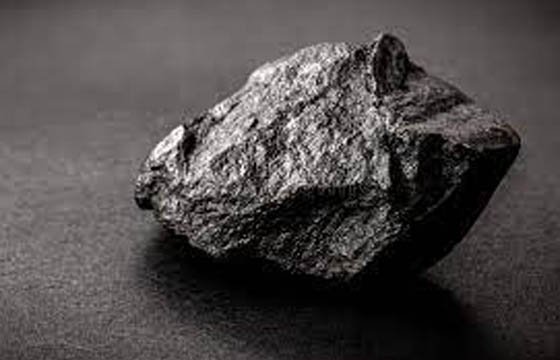
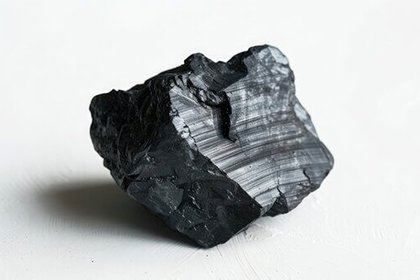
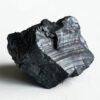
Aluminium Ingot is a high-quality primary aluminium form produced for efficient remelting, casting, alloying, and downstream metal manufacturing. It is widely used across automotive, construction, electrical, packaging, engineering, and general manufacturing industries where lightweight, corrosion-resistant, and highly workable metal is required. Available in industrial-grade specifications with consistent composition and reliable supply, it supports stable production performance and cost-effective procurement. Its recyclability, low weight-to-strength ratio, and broad processing versatility make aluminium ingots a strategically important material for modern industrial supply chains.
2. Key Specifications & Technical Characteristics
- Material: Primary aluminium metal
- Typical Purity: 99.5%–99.9%+ aluminium, depending on grade and specification
- Chemical Composition: Aluminium with controlled levels of silicon, iron, copper, manganese, magnesium, zinc, and other trace elements according to applicable grade
- Form: Solid cast ingots
- Appearance: Silver-white metallic surface
- Physical Characteristics: High strength-to-weight ratio, excellent corrosion resistance, good thermal and electrical conductivity, and strong machinability
- Density: Approximately 2.70 g/cm³
- Grades: Available according to customer-required industrial and alloy specifications
- Packaging: Bundled/strapped ingots suitable for containerized international shipment
- Documentation: Mill Test Certificate (MTC), Certificate of Analysis (COA), and other quality/shipping documentation available upon request
- Shelf Life: Not applicable under normal dry storage conditions; protect from excessive moisture, contamination, and corrosive environments
3. Core Industrial Applications
- Automotive Manufacturing: Used for engine components, transmission parts, wheels, structural components, and lightweight vehicle systems.
- Construction: Used in aluminium profiles, structural components, roofing systems, doors, windows, and architectural products.
- Electrical & Power: Suitable for manufacturing conductors, electrical components, busbars, and related equipment requiring high conductivity and low weight.
- Packaging: Used as a feedstock for aluminium sheets, foils, cans, and other packaging products.
- Foundries & Metal Casting: Remelted and alloyed to produce customized aluminium components and engineered castings.
- Engineering & Manufacturing: Used in machinery components, fabricated products, consumer goods, and industrial equipment.
Aluminium provides a strong combination of low density, corrosion resistance, conductivity, and recyclability, enabling manufacturers to reduce material weight while maintaining required performance and durability.
4. Competitive Advantages
- Quality Consistency: Controlled chemical composition and standardized production specifications support reliable downstream processing.
- Supply Reliability: Structured sourcing supports consistent availability for bulk industrial requirements.
- Logistics Capability: Bulk quantities can be prepared for international containerized shipment with export-ready packaging.
- Price Competitiveness: Competitive bulk sourcing helps buyers optimize procurement costs and maintain efficient production economics.
- Sustainability: Aluminium is highly recyclable, supporting circular manufacturing strategies and reduced reliance on virgin raw-material resources.
- Technical Documentation: COA, MTC, packing documentation, and other relevant quality certificates can be provided according to buyer requirements.
- Strategic Sourcing: Suitable for manufacturers, foundries, distributors, and industrial buyers seeking dependable aluminium feedstock at commercial scale.
5. Commercial & Supply Information
- Minimum Order Quantity (MOQ): BULK 20 MT
- Loading Capacity: Approximately 20–25 MT per standard 20-foot container, subject to ingot dimensions, packaging, container payload limits, and destination requirements
Reviews
There are no reviews yet.