


1. Product Overview
Waste Paper OCC (Old Corrugated Containers) is a recovered fiber material consisting primarily of used corrugated cardboard collected for recycling and industrial fiber recovery. It is widely used as a raw material in paper mills for producing recycled containerboard, corrugated medium, testliner, and other paper-based products. OCC provides manufacturers with a cost-effective, dependable fiber source while reducing reliance on virgin pulp and supporting circular-material supply chains. Its strategic importance continues to grow as demand for recycled packaging materials and sustainable manufacturing increases.
2. Key Specifications & Technical Characteristics
- Material Composition: Recovered corrugated cardboard, primarily cellulose-based fiber.
- Grade: OCC / Recovered Corrugated Containers; specification can be supplied according to buyer requirements.
- Fiber Content: High proportion of recyclable cellulose fiber suitable for paper and board production.
- Purity: Typically supplied with controlled levels of prohibitives and outthrows according to agreed quality specifications.
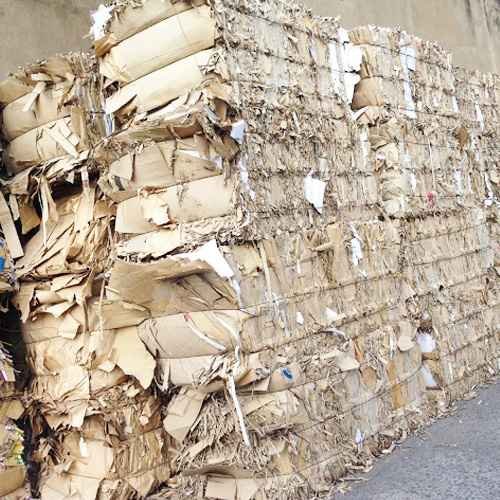
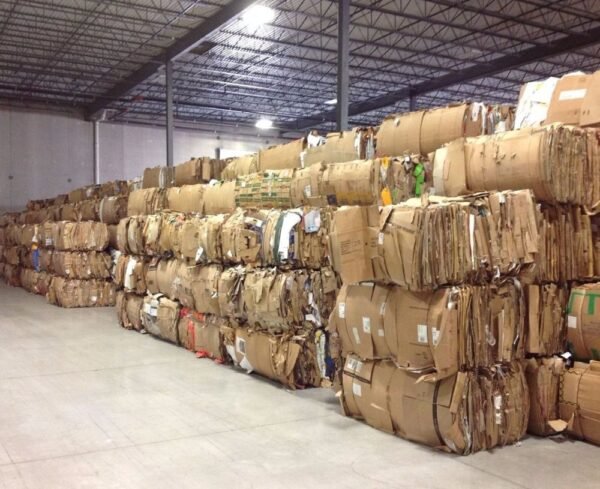
- Physical Form: Baled waste corrugated cardboard.
- Color: Predominantly brown/kraft corrugated board, with possible printed surfaces.
- Moisture: Controlled according to agreed commercial and quality specifications.
- Contaminants: Non-paper materials and prohibitives controlled through sorting and quality inspection.
- Packaging: High-density compressed bales secured with industrial-grade strapping/wire.
- Shelf Life: Long-term storage is possible when protected from excessive moisture, contamination, and direct exposure to adverse environmental conditions.
3. Core Industrial Applications
- Paper & Pulp Manufacturing: Used as a major recovered-fiber input for recycled containerboard, linerboard, corrugated medium, and paperboard.
- Packaging Manufacturing: Supports production of recycled corrugated packaging and shipping cartons.
- Recycled Fiber Processing: Processed through pulping, screening, cleaning, and fiber preparation systems.
- Paper Mill Operations: Provides a scalable alternative or supplement to virgin fiber inputs.
- Sustainable Packaging Supply Chains: Helps manufacturers increase recycled content while reducing dependence on virgin raw materials.
OCC offers strong fiber recovery potential, established processing compatibility, and attractive economics compared with higher-cost virgin fiber sources, making it particularly valuable for high-volume recycled paper production.
4. Competitive Advantages
- Quality Consistency: Sorted and processed material can be supplied against agreed quality specifications for predictable mill performance.
- Supply Reliability: Suitable for recurring bulk procurement programs and long-term industrial sourcing.
- Logistics Capability: Compressed bale format maximizes transportation efficiency and supports containerized international shipments.
- Price Competitiveness: Recovered fiber can provide an economically attractive alternative to virgin pulp for suitable applications.
- Sustainability: Promotes material recovery, supports circular-economy objectives, and reduces dependence on virgin fiber resources.
- Technical Documentation: Quality specifications, packing details, inspection information, and relevant shipping documentation can be provided according to transaction requirements.
- Strategic Sourcing Value: Suitable for paper mills, packaging manufacturers, and industrial recyclers seeking scalable recovered-fiber supply with commercially competitive procurement economics.
5. Commercial & Supply Information
- Minimum Order Quantity (MOQ): BULK – 20 MT
- Loading Capacity: Approximately 20–25 MT per 40-foot container, subject to bale density, container payload limits, and destination regulations.
- Packaging: Compressed and securely strapped bales.
- Supply Basis: Bulk and recurring industrial supply available according to buyer specifications and contract requirements.



Reviews
There are no reviews yet.