



1. Product Overview
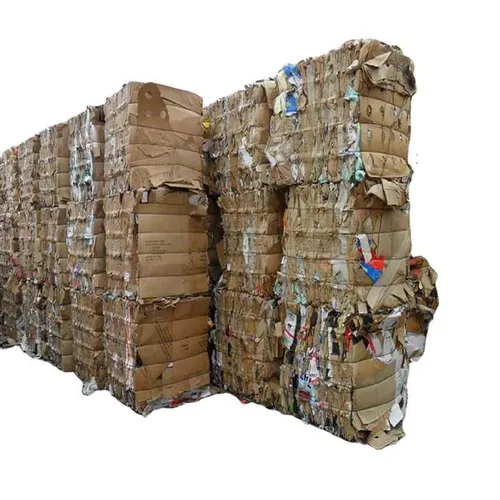
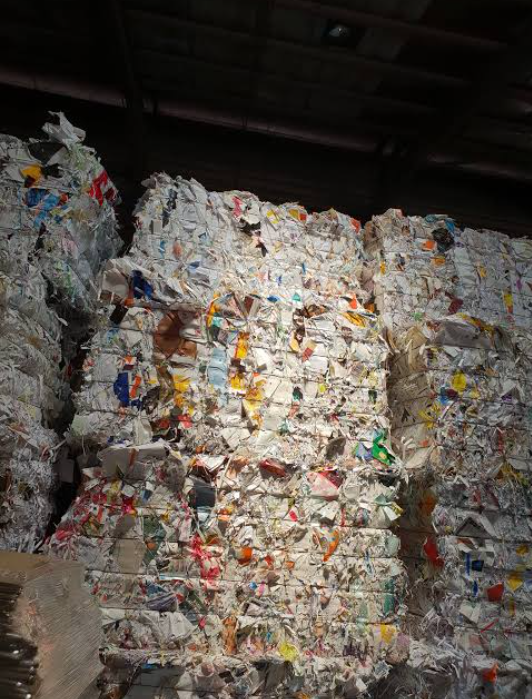
Mixed Office Waste Paper is a recovered paper grade consisting primarily of sorted post-consumer office papers, including white and colored papers, printed documents, and other recyclable office paper materials. It is primarily used as a fiber source for recycled paper, tissue, newsprint, cartonboard, and other paper-based products. Its competitive value lies in providing cost-effective secondary fiber while reducing dependence on virgin pulp and supporting circular material recovery. As demand for recycled-content products continues to grow, reliable supplies of quality recovered office paper remain strategically important to global paper manufacturers.
2. Key Specifications & Technical Characteristics
- Material Composition: Recovered office paper, including printed and unprinted paper, copier paper, writing paper, and similar recyclable fiber materials
- Grade: Mixed Office Waste Paper / Recovered Paper
- Fiber Content: Predominantly cellulose-based recovered fibers
- Purity: Commercially sorted grade; specifications depend on sorting quality and agreed buyer requirements
- Form: Compressed and baled waste paper
- Color: Mixed white, colored, and printed paper
- Moisture: Controlled to commercially acceptable levels; subject to buyer specification
- Prohibited Materials: Excessive plastics, metals, glass, food waste, hazardous materials, and other non-paper contaminants should be minimized
- Packaging: Firmly compressed bales secured with suitable strapping or wire
- Shelf Life: Not normally applicable; should be stored in a dry, covered, well-ventilated environment
- Documentation: Commercial specifications, packing details, and inspection documentation available according to contract requirements
3. Core Industrial Applications
- Recycled Paper Manufacturing: Used as a recovered fiber input for producing various grades of recycled paper.
- Tissue Production: Provides secondary fiber for selected tissue and hygiene-paper applications.
- Paperboard & Carton Manufacturing: Utilized as a fiber source in recycled board and packaging production.
- Printing & Writing Paper: Suitable for mills producing recycled-content printing and writing papers.
- Pulp & Fiber Recovery: Processed through pulping, screening, cleaning, and de-inking operations to recover usable cellulose fibers.
- Industrial Advantage: Provides an economical alternative to a portion of virgin fiber inputs while supporting recycling targets and reducing raw-material costs.
4. Competitive Advantages
- Quality Consistency: Commercially sorted and baled material can be supplied according to agreed quality and contamination specifications.
- Supply Reliability: Suitable for recurring industrial procurement programs and bulk-volume requirements.
- Logistics Capability: Compressed bale format supports efficient container utilization, handling, storage, and international transportation.
- Price Competitiveness: Recovered fiber can offer a cost-effective alternative to virgin pulp, depending on market conditions and quality requirements.
- Sustainability: Supports circular-economy initiatives by recovering usable cellulose fibers from post-consumer paper streams and reducing reliance on virgin resources.
- Technical & Commercial Documentation: Product specifications, packing details, quality requirements, and relevant shipment documentation can be provided according to contractual requirements.
- Strategic Sourcing Value: An efficient option for paper manufacturers seeking dependable secondary-fiber supplies while balancing cost, production requirements, and sustainability objectives.
5. Commercial & Supply Information
- Minimum Order Quantity (MOQ): BULK 20 MT
- Loading Capacity: Approximately 20–24 MT per container, depending on bale density, container configuration, and applicable shipping regulations
- Packaging: Compressed bales secured for export handling
- Supply Basis: Bulk and recurring supply programs available subject to specification, quantity, and contract terms



Reviews
There are no reviews yet.