
1. Product Overview
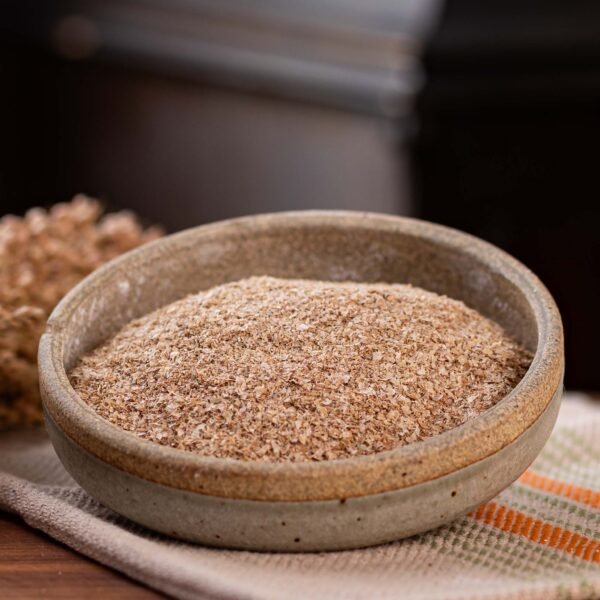
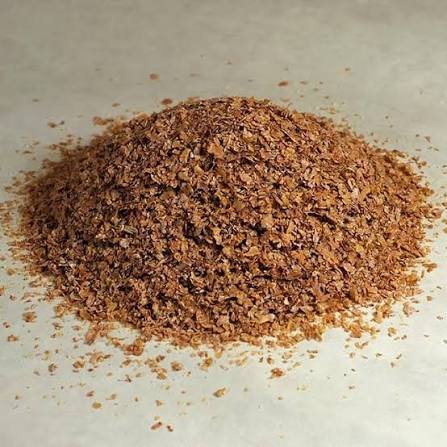
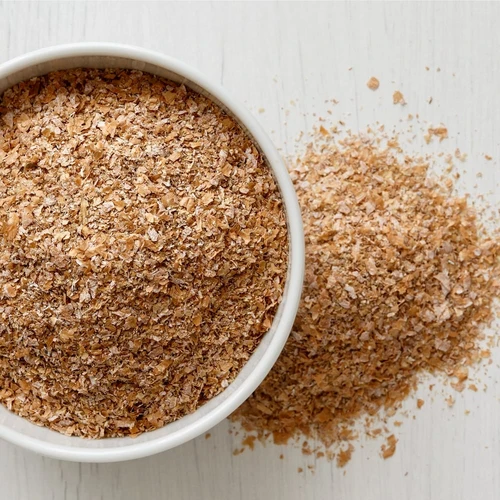
Wheat Bran is the nutrient-rich outer layer of the wheat kernel produced during wheat milling, widely used as a cost-effective source of dietary fiber and functional nutrients. It is primarily supplied to animal feed manufacturers, livestock farms, feed compounders, and selected food-processing applications. Its high fiber content, nutritional value, and efficient bulk handling make it a commercially attractive ingredient for large-scale feed formulation. As a widely traded agricultural commodity, consistent-quality Wheat Bran supports reliable feed production and competitive raw-material sourcing.
2. Key Specifications & Technical Characteristics
- Material: Wheat milling by-product consisting primarily of wheat bran and associated wheat kernel fractions
- Typical Composition: Dietary fiber, protein, carbohydrates, residual wheat germ components, minerals, and small amounts of natural wheat oil
- Grade: Feed grade; food-grade specifications available subject to contract and quality requirements
- Protein: Typically approximately 14–18%, depending on wheat variety and milling process
- Fiber: Naturally high in dietary fiber, typically approximately 10–15%
- Moisture: Typically ≤14% subject to agreed specification
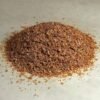
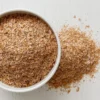
- Physical Form: Loose flakes, coarse meal, or milled bran
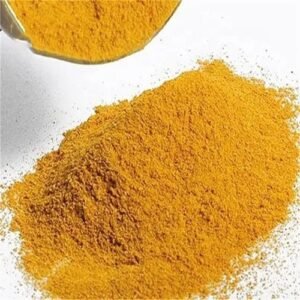
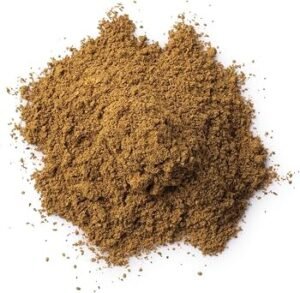
- Color: Light tan to brown
- Particle Size: Variable according to milling specification; customized particle size may be available
- Purity: Free from visible foreign matter and contaminants, subject to agreed quality specifications
- Packaging Options: 25 kg / 50 kg bags, jumbo bags, or bulk shipment
- Shelf Life: Typically 6–12 months when stored under dry, cool, hygienic conditions
- Storage: Protect from moisture, excessive heat, pests, and direct sunlight
- Origin: Available from established wheat-producing and milling origins, subject to sourcing and availability
3. Core Industrial Applications
- Animal Feed Manufacturing: Used extensively in cattle, poultry, sheep, goat, and other livestock feed formulations as a fiber-rich nutritional ingredient.
- Feed Compound Production: Provides a practical source of fiber and energy while helping formulate balanced rations at competitive raw-material costs.
- Livestock Nutrition: Supports dietary fiber requirements and can contribute to improved feed formulation structure and palatability.
- Food Processing: Selected food-grade Wheat Bran can be incorporated into high-fiber bakery products, cereals, and functional food formulations.
- Commercial Feed Blending: Its availability, versatility, and relatively low cost make it suitable for large-volume feed manufacturing operations.
4. Competitive Advantages
- Quality Consistency: Sourced from established milling operations with specifications designed for dependable industrial use.
- Supply Reliability: Suitable for recurring bulk procurement programs and large-volume feed manufacturing requirements.
- Logistics Capability: Available in bagged or bulk formats to support efficient international shipment and commercial handling.
- Price Competitiveness: Provides a cost-efficient alternative to higher-priced fiber and feed ingredients while contributing nutritional value.
- Sustainability: Utilizes a valuable wheat-milling co-product, supporting resource efficiency and reducing agricultural processing waste.
- Technical Documentation: Product specifications, quality documentation, and relevant certificates can be provided according to buyer and destination requirements.
- Strategic Sourcing Value: Combines nutritional functionality, scalable supply, flexible packaging, and competitive economics for long-term B2B procurement.
5. Commercial & Supply Information
- Minimum Order Quantity (MOQ): BULK 20MT
- Loading Capacity: Approximately 20–25 MT per 20-foot container, depending on packaging, loading configuration, and applicable transport restrictions
Reviews
There are no reviews yet.