
1. Product Overview
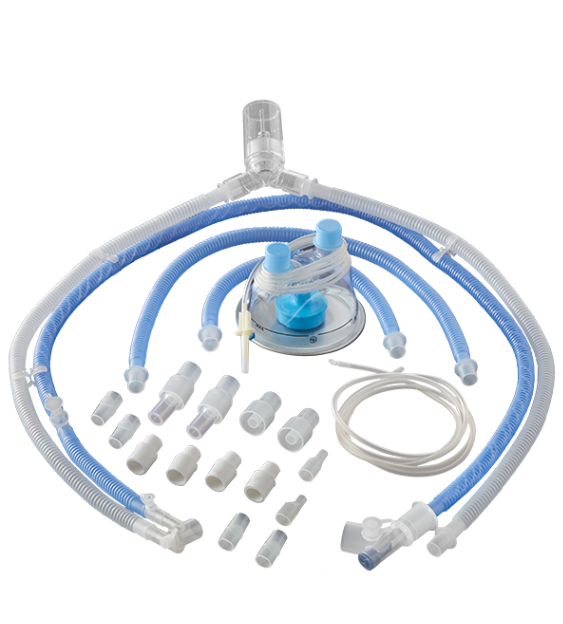
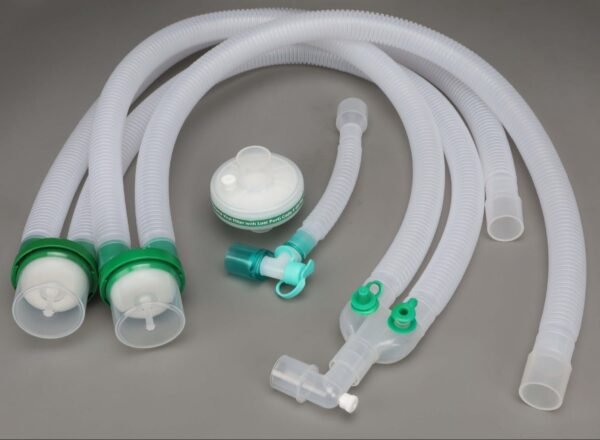
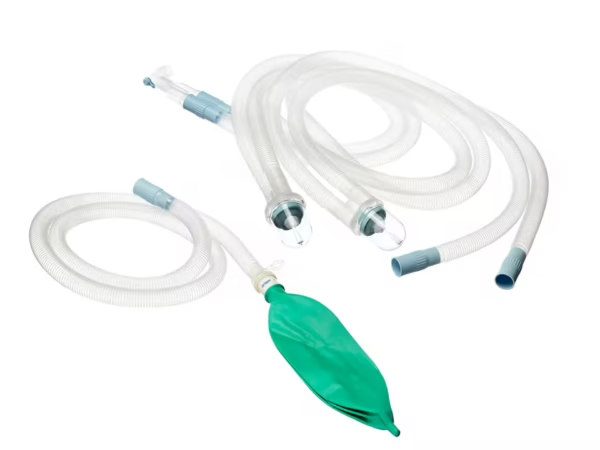
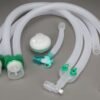
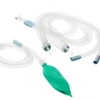
Ventilator Breathing Circuits are medical-grade respiratory circuit systems designed to connect patients to ventilators and anesthesia or respiratory support equipment for controlled delivery and removal of gases. They are primarily used in hospitals, intensive care units, operating theatres, emergency departments, and respiratory care facilities. Engineered for dependable airflow, secure connections, and efficient respiratory gas management, they support consistent clinical performance across demanding applications. Their reliable supply is strategically important for healthcare providers requiring standardized, ready-to-use respiratory consumables.
2. Key Specifications & Technical Characteristics
- Material Components: Medical-grade flexible tubing with compatible connectors, adapters, Y-pieces, and optional accessories depending on configuration.
- Material Grade: Medical-grade, biocompatible materials suitable for respiratory applications.
- Physical Characteristics: Flexible, lightweight circuit assemblies designed for efficient gas flow and secure equipment connection.
- Configuration: Available in adult, pediatric, and other application-specific configurations.
- Connector Compatibility: Designed for compatibility with commonly used ventilators, anesthesia machines, and respiratory support systems, subject to configuration.
- Performance Characteristics: Low-resistance airflow design, secure connections, flexibility, and reliable structural integrity during clinical use.
- Packaging: Individually or bulk packaged according to buyer requirements and product configuration.
- Sterility: Sterile or non-sterile options may be available depending on specification.
- Shelf Life: Typically supplied with manufacturer-defined shelf-life and storage requirements.
3. Core Industrial Applications
- Hospitals & ICUs: Used for mechanical ventilation and respiratory support of critically ill patients.
- Operating Theatres: Supports anesthesia delivery and controlled respiratory gas exchange during surgical procedures.
- Emergency & Critical Care: Suitable for emergency ventilation and respiratory management applications.
- Respiratory Care Facilities: Used with compatible respiratory support systems for controlled airflow management.
- Healthcare Equipment Distribution: Suitable for institutional procurement, medical distributors, and large-scale healthcare supply programs.
- Operational Benefits: Flexible construction, dependable connections, and consistent airflow characteristics help support efficient equipment operation while reducing the risk of circuit-related interruptions.
4. Competitive Advantages
- Quality Consistency: Manufactured to controlled specifications for dependable performance across procurement batches.
- Supply Reliability: Suitable for recurring institutional and high-volume healthcare procurement programs.
- Logistics Capability: Bulk supply and export-oriented packaging support efficient international distribution.
- Price Competitiveness: Volume-based sourcing enables competitive commercial terms for hospitals, distributors, and healthcare procurement organizations.
- Sustainability: Material and packaging options can be aligned with applicable healthcare waste-management and environmental requirements.
- Technical Documentation: Product specifications, packaging details, certificates, and other applicable documentation can be provided according to buyer and regulatory requirements.
- Strategic Sourcing Value: Combines dependable respiratory performance, scalable supply, and commercially efficient procurement for professional healthcare buyers.
5. Commercial & Supply Information
- Minimum Order Quantity (MOQ): BULK 20 MT
- Loading Capacity: Up to 20 MT per container, subject to product configuration, packaging, and applicable shipping limitations.
- Packaging: Export-standard packaging available according to buyer requirements.
- Supply: Suitable for bulk, wholesale, distributor, hospital, and institutional procurement.


Reviews
There are no reviews yet.