
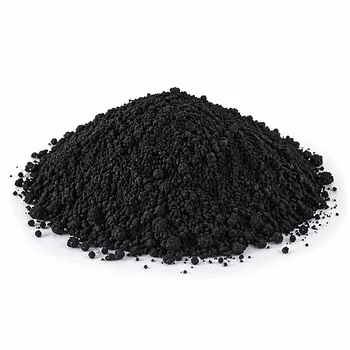
1. Product Overview
Synthetic Graphite Anode Material is a high-performance carbon-based material engineered for use as the negative electrode material in lithium-ion batteries. Manufactured through controlled graphitization and processing, it delivers consistent electrochemical performance, high conductivity, and reliable charge-discharge characteristics. It is strategically important for electric vehicles, energy-storage systems, consumer electronics, and other rapidly expanding battery applications where performance and cycle life are critical.
2. Key Specifications & Technical Characteristics
- Material: Synthetic Graphite (high-purity carbon)
- Primary Grade: Battery-grade anode material
- Carbon Purity: Typically ≥99.95% C, subject to agreed specification
- Appearance: Fine, uniform dark-grey to black powder
- Particle Size (D50): Typically approximately 10–20 μm, customizable according to application
- Tap Density: Typically approximately 0.9–1.2 g/cm³, depending on grade and processing
- Moisture: Controlled to low levels suitable for battery manufacturing
- Electrochemical Performance: High reversible capacity and stable cycling performance
- Electrical Conductivity: Excellent, supporting efficient electron transport
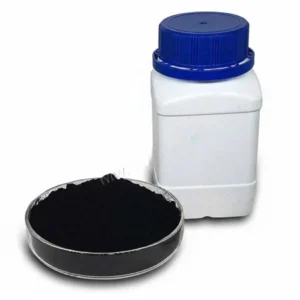
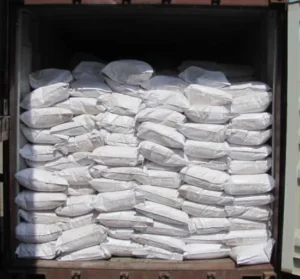
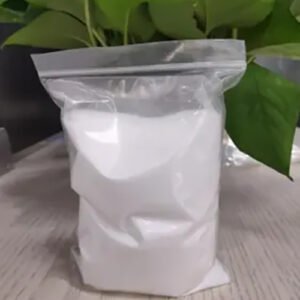
- Packaging: 20–25 kg bags, 500–1,000 kg jumbo bags, or customized industrial packaging
- Shelf Life: Typically 24 months when stored sealed in a cool, dry environment
3. Core Industrial Applications
- Lithium-Ion Batteries: Primary anode material for rechargeable lithium-ion cells used in EVs, consumer electronics, power tools, and industrial batteries.
- Energy Storage Systems: Supports stationary battery systems requiring dependable cycling and energy efficiency.
- Electric Vehicles: Enables high-performance battery cells with consistent charging, discharge, and cycle-life characteristics.
- Consumer Electronics: Used in batteries for smartphones, laptops, tablets, and portable electronic devices.
- Industrial Battery Manufacturing: Suitable for applications requiring controlled particle characteristics, conductivity, purity, and electrochemical stability.
Its engineered structure and consistent particle distribution provide advantages over less-controlled carbon materials, supporting efficient lithium-ion intercalation, stable cycling, and predictable cell performance.
4. Competitive Advantages
- Quality Consistency: Controlled particle size, purity, morphology, and physical properties support stable battery-cell manufacturing.
- High Performance: Excellent electrical conductivity and electrochemical stability contribute to efficient battery operation and extended cycle life.
- Supply Reliability: Structured bulk-supply capability supports continuous industrial procurement and production planning.
- Logistics Capability: Industrial packaging and containerized shipment options facilitate efficient international delivery.
- Price Competitiveness: Bulk procurement options provide opportunities for optimized landed cost and long-term sourcing agreements.
- Sustainability: Supports the expanding global transition toward electrification, renewable-energy storage, and lower-carbon energy systems.
- Technical Documentation: Product specifications, quality documentation, and supporting technical information can be provided according to buyer requirements.
- Strategic Sourcing Value: A scalable, specification-driven supply solution for battery manufacturers seeking dependable quality and competitive total procurement cost.
5. Commercial & Supply Information
- Minimum Order Quantity (MOQ): BULK – 20 MT
- Loading Capacity: Approximately 20–25 MT per 20-ft container, subject to packaging, product density, and applicable shipping regulations
- Supply: Bulk and containerized international supply
- Packaging: Standard industrial bags or customized packaging according to buyer requirements
Reviews
There are no reviews yet.