1. Product Overview
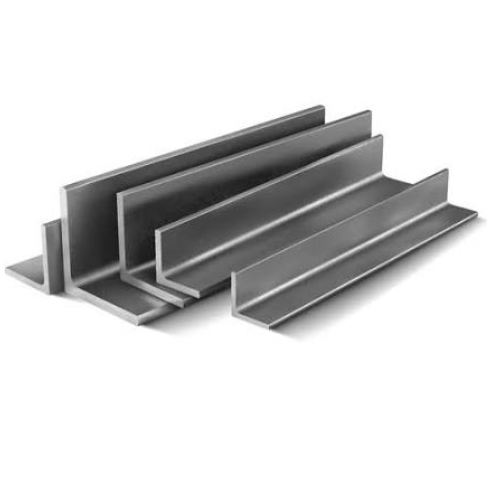
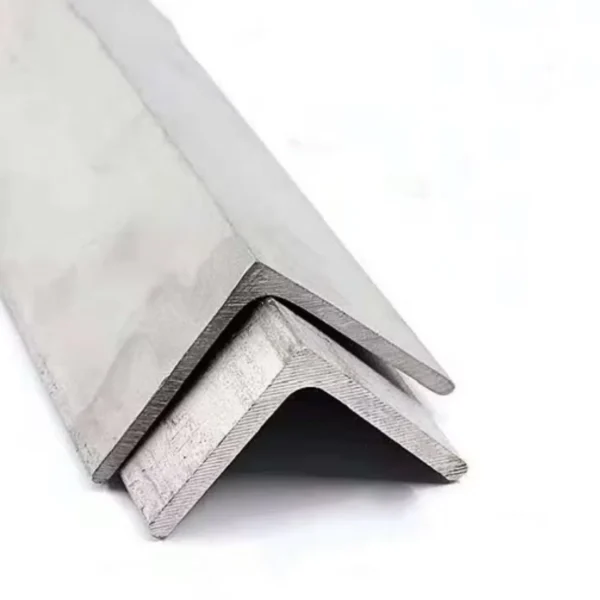
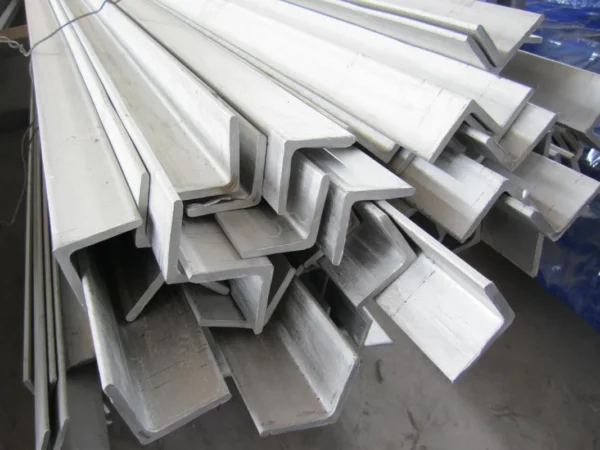
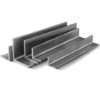
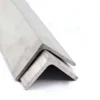
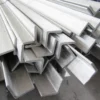
Steel Angle Bar is a structural steel profile featuring two legs arranged at a right angle, engineered for strength, rigidity, and reliable load-bearing performance. It is widely used in construction, structural fabrication, infrastructure, machinery, towers, frames, brackets, and general engineering applications. Its versatile geometry enables efficient reinforcement and structural assembly while supporting cost-effective fabrication. As a globally traded construction material, Steel Angle Bar is a strategic sourcing choice for projects requiring dependable structural performance, dimensional consistency, and scalable supply.
2. Key Specifications & Technical Characteristics
- Material: Carbon steel or structural-grade steel
- Typical Grades: ASTM A36, ASTM A572, EN 10025 S235/S275/S355, or equivalent grades
- Chemical Composition: Primarily iron with controlled carbon, manganese, silicon, and other alloying elements according to the specified grade
- Form: Equal Angle or Unequal Angle
- Surface: Black/mill finish; galvanized or coated options available upon specification
- Profile: L-shaped cross-section with precise dimensions and consistent geometry
- Dimensions: Available in multiple leg widths and thicknesses according to project requirements
- Length: Standard lengths commonly supplied at 6 m or 12 m; customized lengths may be available
- Packaging: Bundled with steel straps; export-grade packaging available
- Documentation: Mill Test Certificate (MTC), inspection documentation, and certificates of conformity available upon request
- Shelf Life: Not applicable under normal dry storage conditions; appropriate storage should be maintained to minimize corrosion
3. Core Industrial Applications
- Construction: Structural frames, supports, columns, roof structures, and reinforcement systems
- Infrastructure: Bridges, platforms, transmission towers, railway structures, and civil engineering projects
- Fabrication: Frames, brackets, racks, supports, machinery bases, and welded assemblies
- Industrial Engineering: Equipment structures, conveyors, storage systems, and general-purpose fabricated components
- Performance Advantage: The L-shaped profile provides an effective strength-to-weight ratio, excellent rigidity, and straightforward cutting, drilling, welding, and assembly
- Efficiency & Cost Benefits: Standardized dimensions simplify fabrication, reduce material waste, and support economical large-scale construction and manufacturing
4. Competitive Advantages
- Quality Consistency: Controlled dimensional accuracy, mechanical properties, and material quality for dependable project performance
- Supply Reliability: Suitable for recurring industrial requirements and large-volume procurement programs
- Logistics Capability: Export-ready bundling and bulk shipment coordination to support international sourcing
- Price Competitiveness: Efficient production and scalable procurement can support competitive landed costs
- Durability: High structural strength and resistance to mechanical loading provide long-term service performance
- Sustainability: Steel is highly recyclable, supporting circular-material strategies and resource-efficient construction
- Technical Documentation: Mill Test Certificates, quality documentation, and inspection records can be supplied according to buyer requirements
5. Commercial & Supply Information
- Minimum Order Quantity (MOQ): 20 MT
- Bulk Order: 20 MT and above
- Loading Capacity: Approximately 20–27 MT per 20-foot container, subject to product dimensions, weight restrictions, packaging, and destination regulations




Reviews
There are no reviews yet.