
1. Product Overview
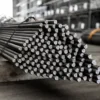
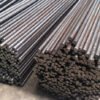
Reinforcing Steel Bar (Rebar) is a high-strength steel product engineered to reinforce concrete structures and improve their tensile strength, structural integrity, and load-bearing performance. It is widely used in residential, commercial, industrial, infrastructure, and civil engineering projects, including foundations, columns, beams, slabs, bridges, and roads. Its proven durability, dimensional consistency, and compatibility with concrete make it a critical material for modern construction. Reliable rebar supply supports project continuity, structural performance, and cost-efficient construction at scale.
2. Key Specifications & Technical Characteristics
- Material: Carbon steel / reinforcing steel
- Grade: Available in common construction grades such as Grade 40, Grade 60, and equivalent international standards, subject to specification
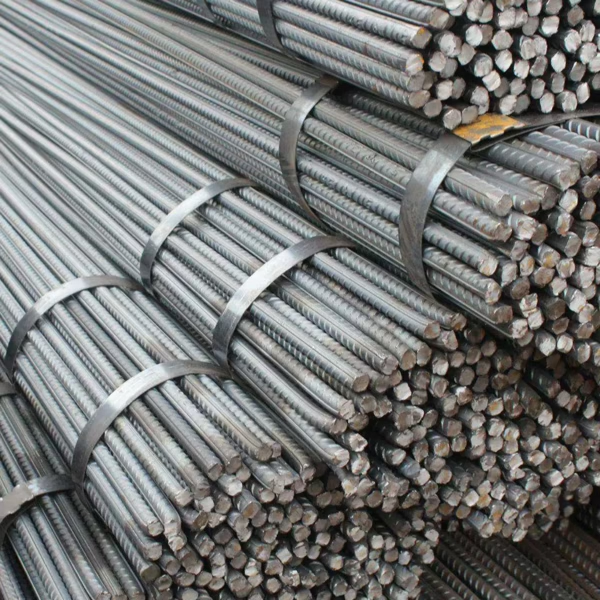
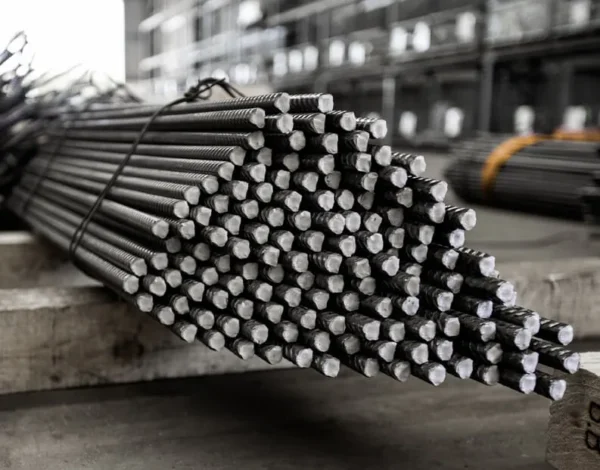
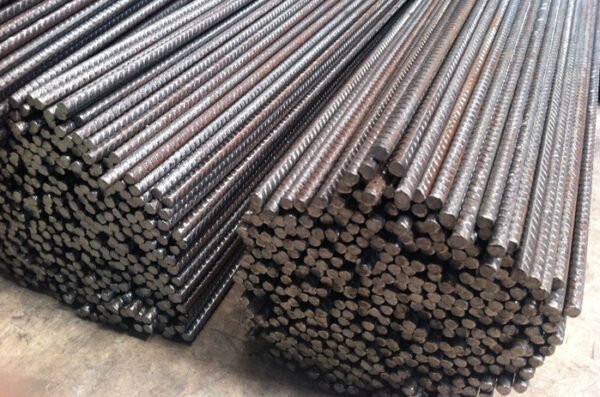
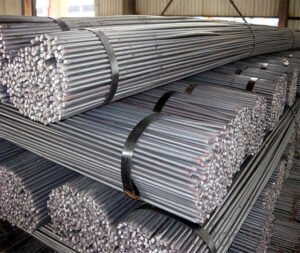
- Surface: Ribbed/deformed surface for enhanced concrete bonding
- Form: Straight bars; other configurations available upon specification
- Diameter: Common commercial sizes available, typically ranging from 6 mm to 40 mm
- Length: Standard lengths, commonly 12 meters, with custom lengths subject to order requirements
- Chemical Composition: Primarily iron with controlled carbon, manganese, silicon, and other alloying elements according to the specified grade and applicable standard
- Physical Characteristics: High tensile strength, ductility, weldability, and resistance to mechanical stresses
- Standards: Available to applicable ASTM, BS, EN, JIS, or other recognized international specifications
- Packaging: Bundled and securely strapped; export packaging available
- Shelf Life: No defined shelf life when stored properly; protect from prolonged exposure to moisture and corrosive environments
3. Core Industrial Applications
- Construction: Reinforcement of foundations, columns, beams, slabs, walls, and reinforced concrete structures
- Infrastructure: Bridges, highways, tunnels, railways, drainage systems, and public works
- Industrial Projects: Warehouses, factories, power facilities, and heavy-duty concrete structures
- Residential & Commercial Development: High-rise buildings, housing projects, offices, and commercial complexes
- Operational Advantages: Deformed ribs provide strong mechanical anchorage within concrete, while high tensile strength and ductility support structural performance under demanding loads
- Cost Efficiency: Long service life, standardized dimensions, and efficient fabrication reduce material waste, installation complexity, and lifecycle costs
4. Competitive Advantages
- Quality Consistency: Controlled manufacturing and dimensional specifications support reliable structural performance
- Supply Reliability: Suitable for recurring project requirements and large-volume procurement programs
- Logistics Capability: Export-ready bundling and bulk shipment arrangements support international delivery
- Price Competitiveness: Competitive sourcing and volume procurement options help optimize total project costs
- Durability: Designed to provide dependable reinforcement and long-term structural performance when properly specified and installed
- Sustainability: Steel is highly recyclable, supporting circular material use and more resource-efficient construction
- Documentation: Mill certificates, inspection documentation, test certificates, and compliance records can be provided subject to order requirements
5. Commercial & Supply Information
- Minimum Order Quantity (MOQ): BULK 20 MT
- Loading Capacity: Approximately 20–25 MT per 20-foot container, subject to bar diameter, length, packaging, container payload limits, and shipping regulations
- Supply: Bulk and project-based orders available
- Packaging: Bundled, strapped, and export-ready
- Documentation: Commercial invoice, packing list, certificate of origin, mill/test certificates, and other applicable export documentation available upon request
Reviews
There are no reviews yet.