





1. Product Overview
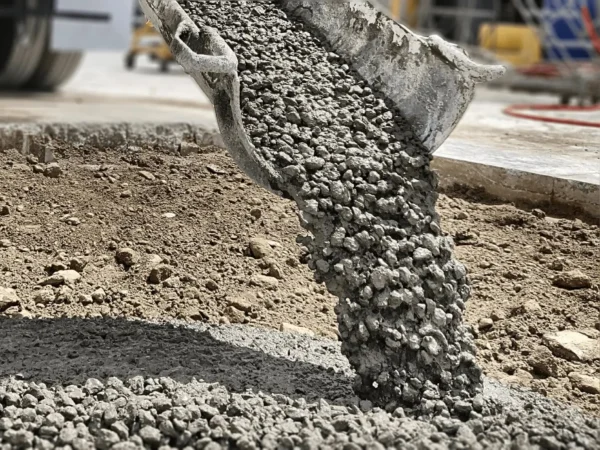
Ready Mix Concrete (RMC) is a professionally proportioned blend of cement, aggregates, water, and approved admixtures, manufactured under controlled conditions to deliver consistent performance and workability. It is widely used for structural, commercial, industrial, and infrastructure construction, including foundations, slabs, columns, beams, roads, and precast applications. Its controlled production reduces on-site batching requirements, improves quality consistency, accelerates project execution, and minimizes material waste. As a strategically important construction material, RMC provides reliable, scalable supply for projects requiring predictable strength, durability, and delivery performance.
2. Key Specifications & Technical Characteristics
- Material Composition: Portland cement or specified cementitious binder, graded fine and coarse aggregates, water, and optional performance-enhancing admixtures.
- Concrete Grade: Available in standard and project-specific strength classes, including common grades such as C20/25, C25/30, C30/37, C35/45, C40/50, and higher grades subject to specification.
- Compressive Strength: Supplied according to the required project strength class and applicable construction standards.
- Physical Form: Fresh, flowable concrete delivered ready for direct placement.
- Color: Standard cement-grey.
- Aggregate Size: Typically available with nominal aggregate sizes such as 10 mm, 20 mm, or project-specific requirements.
- Workability: Adjustable slump/workability according to placement method, site conditions, and project specifications.
- Density: Typically approximately 2,300–2,500 kg/m³ for normal-weight concrete, depending on mix design and aggregate type.
- Admixtures: Plasticizers, superplasticizers, retarders, accelerators, air-entraining agents, and other approved additives available where required.
- Packaging/Delivery: Supplied in bulk through transit mixer trucks for direct discharge at the construction site.
- Shelf Life: Fresh concrete is time-sensitive and should be placed within the specified delivery and workability period established by the mix design and applicable standards.
- Documentation: Mix design, strength classification, batch information, and quality documentation can be provided according to project and regulatory requirements.
3. Core Industrial Applications
- Building Construction: Foundations, footings, columns, beams, slabs, walls, floors, and structural frameworks.
- Infrastructure Projects: Roads, bridges, tunnels, drainage systems, retaining structures, and other civil engineering works.
- Commercial & Industrial Construction: Warehouses, factories, shopping facilities, offices, logistics centers, and industrial foundations.
- Residential Development: Housing foundations, driveways, floors, structural elements, and external concrete works.
- Precast & Specialized Applications: Suitable for precast components and engineered concrete applications where controlled mix performance is required.
- Operational Benefits: Factory-controlled batching improves consistency, while direct site delivery reduces manual mixing, labor requirements, material handling, and project downtime.
- Performance Advantage: Compared with conventional on-site batching, RMC provides more precise proportioning, repeatable quality, faster placement, and better control over project specifications.
4. Competitive Advantages
- Quality Consistency: Controlled batching and standardized mix designs support uniform strength, workability, and performance across deliveries.
- Supply Reliability: Scalable production and coordinated dispatch support scheduled deliveries for ongoing construction programs and large-volume projects.
- Logistics Capability: Bulk transit mixer delivery enables efficient movement from production facility to construction site while maintaining required workability.
- Price Competitiveness: Optimized material utilization, reduced on-site labor, and lower handling requirements can improve total project cost efficiency.
- Sustainability: Controlled production helps minimize material waste, while optimized mix designs and supplementary cementitious materials can support lower environmental impact where specified.
- Technical Support: Mix specifications, quality documentation, testing information, and project-specific technical support can be provided to support procurement and engineering requirements.
- Strategic Sourcing Value: Offers buyers a dependable combination of consistent quality, engineered performance, bulk supply capability, and efficient project logistics.
5. Commercial & Supply Information
- Minimum Order Quantity (MOQ): BULK 20 MT
- Loading Capacity: Bulk supply; loading capacity subject to transport configuration, vehicle specifications, project requirements, and applicable road-weight regulations.
- Supply Format: Fresh Ready Mix Concrete delivered by transit mixer.
- Bulk Procurement: Suitable for construction contractors, developers, infrastructure companies, industrial projects, distributors, and large-scale procurement programs.


Reviews
There are no reviews yet.