



1. Product Overview
Light Naphtha is a low-boiling petroleum hydrocarbon fraction obtained primarily from crude oil refining and condensate processing. It is widely used as a petrochemical feedstock for steam cracking, gasoline blending, and the production of essential chemical intermediates. Its high volatility and hydrocarbon content make it a valuable input for refineries and petrochemical manufacturers seeking efficient processing and flexible feedstock utilization. Reliable access to quality light naphtha supports downstream production, energy supply chains, and industrial competitiveness.
2. Key Specifications & Technical Characteristics
- Chemical Composition: Primarily C5–C7 hydrocarbons, including paraffins, isoparaffins, cycloparaffins, and potentially small quantities of aromatics.
- Purity / Grade: Refinery or petrochemical grade, subject to supplier specifications.
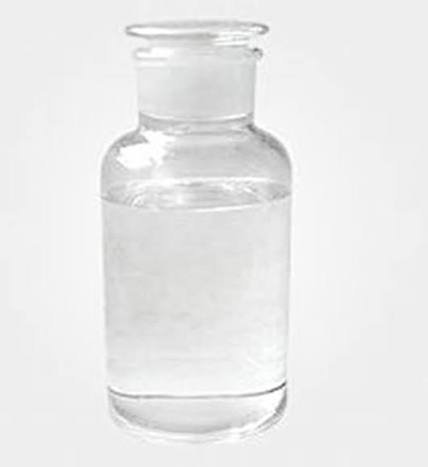
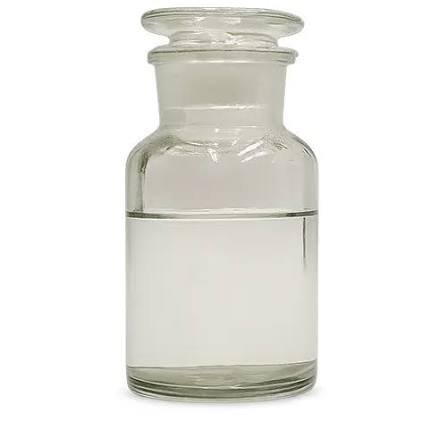
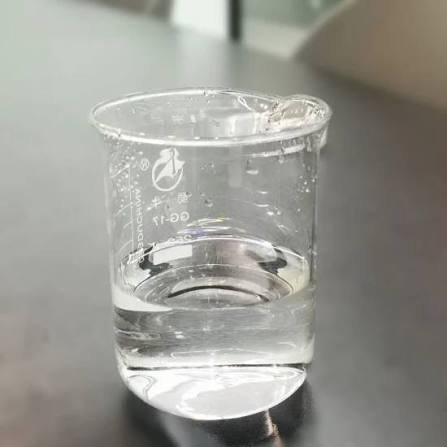
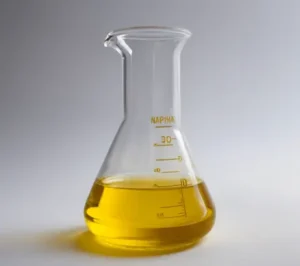
- Physical Form: Clear, volatile liquid.
- Colour: Typically colourless to pale yellow.
- Boiling Range: Generally approximately 30–90°C, depending on grade and source.
- Density: Typically around 0.60–0.70 g/cm³ at 15°C, depending on composition.
- Sulphur Content: Grade-dependent; confirmed through the product certificate of analysis.
- Packaging Options: Bulk tanker, ISO tank, or approved petroleum-product transport vessels.
- Shelf Life: Depends on storage conditions, volatility control, and product specifications; store in approved, tightly sealed systems.
- Origin: Available from qualified petroleum refineries and condensate-processing facilities, subject to supply availability.
3. Core Industrial Applications
- Petrochemical Manufacturing: Used as feedstock for steam cracking and the production of olefins and other chemical intermediates, depending on composition.
- Refining and Gasoline Blending: Incorporated into suitable gasoline blending streams to support formulation and yield optimization.
- Chemical Processing: Serves as a hydrocarbon feedstock for selected downstream chemical manufacturing processes.
- Solvent and Extraction Applications: Certain grades are used in specialized industrial applications where their volatility and hydrocarbon characteristics are suitable.
- Industrial Feedstock Optimization: Offers refiners and petrochemical operators flexibility in selecting hydrocarbon streams to meet processing requirements.
Its commercial value depends on hydrocarbon composition, distillation range, sulphur content, and compatibility with the receiving facility. Product selection against verified technical specifications helps optimize processing efficiency and minimize operational risk.
4. Competitive Advantages
- Quality Consistency: Defined specifications and batch-level certificates of analysis support quality verification and process compatibility.
- Supply Reliability: Sourcing arrangements can be tailored to recurring industrial demand, subject to availability and supplier confirmation.
- Logistics Capability: Bulk liquid handling and appropriate transport solutions support international petroleum-product movements.
- Price Competitiveness: Commercial terms can be structured around volume, grade, prevailing market conditions, and delivery destination.
- Operational Efficiency: Suitable hydrocarbon composition can support refinery yield optimization and petrochemical feedstock flexibility.
- Responsible Handling: Appropriate storage, vapour control, spill prevention, and transport procedures help reduce environmental and operational risks.
- Technical Documentation: Product specifications, safety data sheets (SDS), certificates of analysis (COA), and relevant shipping documentation can be provided subject to availability.
5. Commercial & Supply Information
- Minimum Order Quantity (MOQ): BULK 20 MT.
- Loading Capacity: Determined by vessel or container specifications, product density, applicable weight limits, and transport regulations; confirmed according to the selected shipping arrangement.
Reviews
There are no reviews yet.