
1. Product Overview
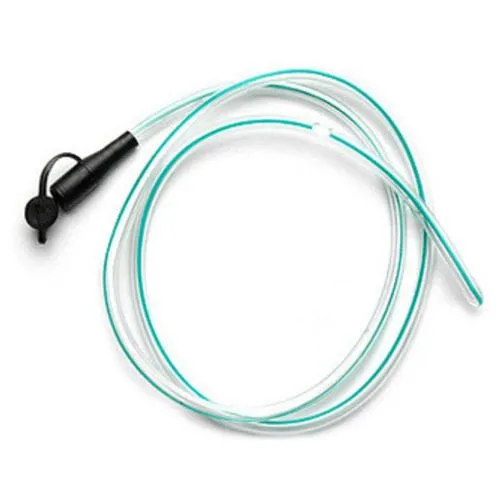
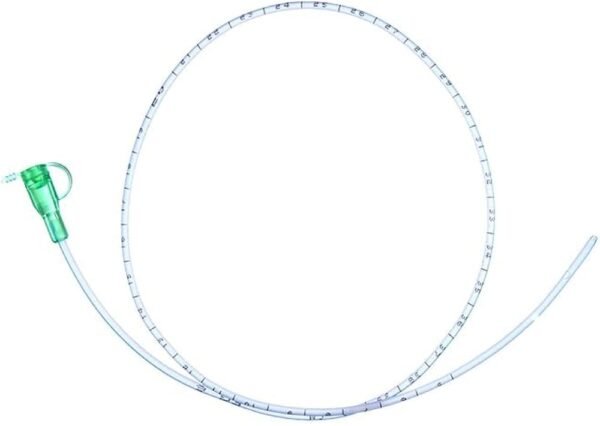
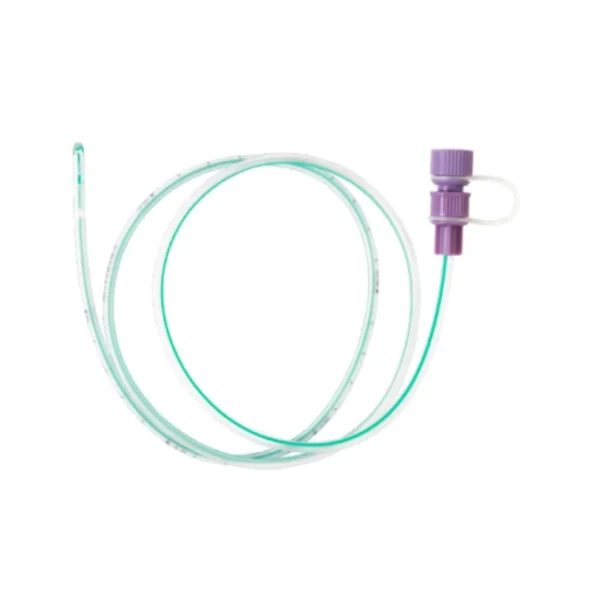
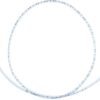
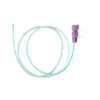
Infant Feeding Tubes are sterile, medical-grade tubes designed for the safe and controlled delivery of breast milk, formula, fluids, or prescribed nutrition directly to infants who cannot feed adequately by mouth. They are primarily used in neonatal and pediatric healthcare settings, including hospitals, NICUs, clinics, and specialized care facilities. Manufactured from biocompatible materials with smooth surfaces and controlled dimensions, they support reliable feeding while prioritizing infant comfort and clinical handling. Consistent availability and dependable quality make them an important component of neonatal and pediatric medical supply chains.
2. Key Specifications & Technical Characteristics
- Material: Medical-grade, biocompatible polymer materials such as polyurethane or PVC, depending on specification and application.
- Material Grade: Medical/clinical grade; suitable for intended enteral feeding applications.
- Sterility: Available in sterile, single-use configurations.
- Physical Characteristics: Flexible, lightweight tubing with a smooth, rounded design to facilitate controlled feeding and minimize handling-related trauma.
- Tube Sizes: Available in multiple infant-appropriate French (Fr) sizes and lengths according to clinical requirements.
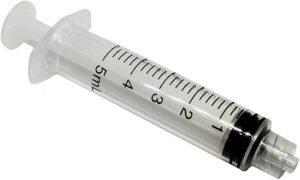
- Connection Options: Compatible with appropriate feeding syringes, feeding sets, and enteral connectors according to configuration.
- Color/Identification: Clear or translucent construction may be available for visual monitoring of contents and flow.
- Packaging: Individually packaged sterile units, with bulk outer cartons available for institutional and wholesale procurement.
- Shelf Life: Typically supplied with manufacturer-defined shelf life and expiration date; storage requirements depend on product specification.
- Documentation: Product specifications, packaging details, sterilization information, and applicable quality documentation available according to order requirements.
3. Core Industrial Applications
- Neonatal Intensive Care Units (NICUs): Controlled administration of nutrition to premature and critically ill infants requiring assisted feeding.
- Pediatric Hospitals & Clinics: Supports enteral feeding for infants with temporary or persistent difficulties with oral feeding.
- Maternity & Newborn Care Facilities: Used where newborns require supplementary or assisted nutritional administration.
- Home Healthcare & Specialized Pediatric Care: Suitable for prescribed enteral feeding programs when clinically indicated.
- Operational Benefits: Flexible construction and consistent internal dimensions support predictable feeding performance, while single-use configurations help simplify clinical workflow and reduce cross-contamination risks compared with reusable feeding equipment.
- Cost Efficiency: Bulk procurement and standardized packaging can help healthcare institutions maintain dependable inventory while optimizing purchasing and logistics costs.
4. Competitive Advantages
- Quality Consistency: Controlled manufacturing specifications support uniform dimensions, material performance, and feeding reliability across production batches.
- Supply Reliability: Suitable for planned institutional procurement, recurring orders, and bulk medical supply programs.
- Logistics Capability: Bulk carton packaging facilitates efficient warehousing, container loading, international shipment, and inventory management.
- Price Competitiveness: Wholesale-oriented supply structures support cost-effective procurement for hospitals, distributors, healthcare groups, and medical supply companies.
- Patient-Centered Design: Flexible, smooth medical-grade tubing is designed to support controlled feeding and appropriate clinical handling.
- Sustainability: Single-use configurations can support standardized infection-control protocols and efficient clinical operations, while packaging options can be optimized for bulk distribution.
- Technical Documentation: Product specifications, sterilization information, packaging configurations, and relevant quality documentation can be provided to support professional sourcing and regulatory review.
5. Commercial & Supply Information
- Minimum Order Quantity (MOQ): BULK — 20 MT
- Loading Capacity: Approximately 20 MT per container, subject to product dimensions, packaging configuration, container type, and applicable shipping restrictions.

Reviews
There are no reviews yet.