




1. Product Overview
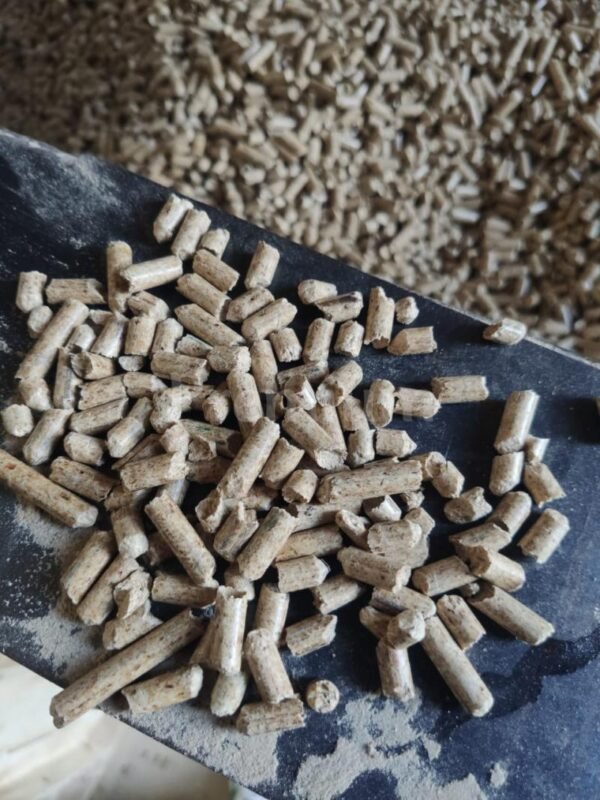
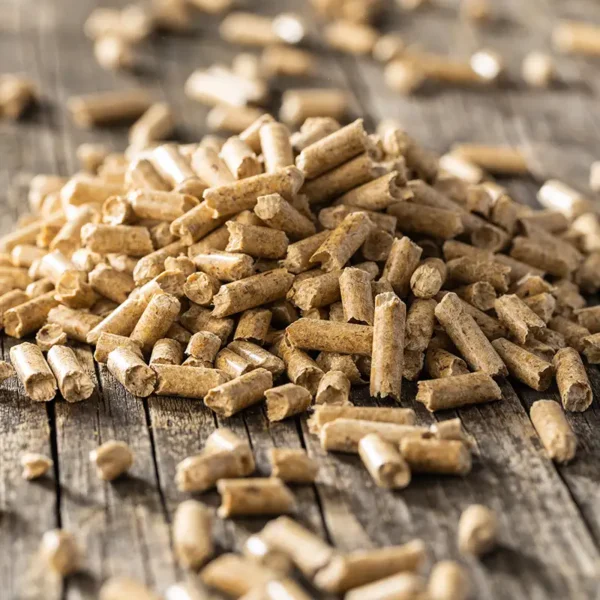
Industrial Wood Pellets are densified biomass fuel products manufactured from processed wood residues and other suitable woody biomass materials. They are primarily used for industrial heating, steam generation, biomass boilers, power generation, and combined heat and power (CHP) applications. Their uniform size, controlled moisture content, and high energy density support efficient combustion, automated handling, and reliable fuel performance. As a scalable renewable energy feedstock, industrial wood pellets offer buyers a practical alternative to conventional fossil fuels while supporting long-term energy cost and sustainability objectives.
2. Key Specifications & Technical Characteristics
- Material Composition: Compressed woody biomass, typically sourced from sawdust, wood chips, shavings, and other clean wood residues.
- Grade: Industrial-grade biomass fuel; specifications can be tailored to buyer requirements.
- Moisture Content: Typically ≤10%, subject to agreed specification.
- Ash Content: Typically low ash; exact level depends on feedstock and production specification.
- Form: Cylindrical compressed pellets.
- Typical Diameter: 6–8 mm.
- Color: Natural light to dark brown, depending on raw material.
- Bulk Density: Typically approximately 600–750 kg/m³.
- Calorific Value: Typically approximately 4,500–5,000 kcal/kg, subject to specification and feedstock.
- Packaging Options: Bulk loading, jumbo bags, or other industrial packaging formats according to buyer requirements.
- Shelf Life: Long-term storage is possible when kept dry, protected from moisture, and stored under suitable conditions.
3. Core Industrial Applications
- Biomass Power Generation: Used as a renewable solid fuel for industrial boilers and biomass-fired power plants.
- Industrial Heating: Suitable for process heat, furnaces, dryers, kilns, and thermal systems.
- Steam Generation: Supports consistent steam production in manufacturing and processing facilities.
- CHP Systems: Used as a fuel source for combined heat and power operations.
- Commercial & Institutional Heating: Suitable for large-scale heating systems designed for pellet fuel.
- Operational Benefits: Uniform pellet dimensions and high energy density enable automated feeding, efficient combustion, simplified storage, and reduced handling requirements compared with loose biomass.
- Cost Efficiency: Densification improves transport and storage efficiency while providing a consistent, readily manageable fuel supply.
4. Competitive Advantages
- Quality Consistency: Controlled production supports uniform pellet dimensions, moisture levels, density, and combustion characteristics.
- Supply Reliability: Structured sourcing and bulk supply capabilities support recurring industrial procurement requirements.
- Logistics Capability: Available for bulk industrial shipments with packaging and loading arrangements aligned to buyer specifications.
- Price Competitiveness: Bulk procurement and optimized sourcing can provide commercially attractive fuel economics.
- Sustainability: Produced from woody biomass resources and can contribute to renewable-energy and fossil-fuel reduction strategies when responsibly sourced.
- Technical Documentation: Product specifications, quality documentation, certificates, and relevant compliance documentation can be provided subject to contract and buyer requirements.
- Strategic Sourcing Value: Combines renewable fuel characteristics, transport efficiency, scalable supply, and consistent industrial performance.
5. Commercial & Supply Information
- Minimum Order Quantity (MOQ): 20 MT
- Loading Capacity: Bulk shipment; container loading capacity subject to container type, applicable regulations, packaging format, and agreed loading configuration.
- Supply Format: Bulk industrial supply with packaging options available according to buyer requirements.


Reviews
There are no reviews yet.