
1. Product Overview
Hydroxypropyl Cellulose (HPC) is a high-performance cellulose ether derived from purified cellulose and modified with hydroxypropyl groups to provide controlled thickening, film-forming, binding, and stabilizing properties. It is widely used across pharmaceutical, food, personal care, coatings, construction, and specialty industrial formulations. HPC enhances viscosity control, product stability, texture, adhesion, and processing performance while offering reliable formulation flexibility. Its multifunctional performance makes it a strategically important specialty polymer for manufacturers seeking consistent quality and efficient formulation optimization.
2. Key Specifications & Technical Characteristics
- Chemical Composition: Hydroxypropyl ether of cellulose; non-ionic cellulose derivative
- Material Type: Water-soluble cellulose ether / functional polymer
- Grade: Available in industrial, pharmaceutical, food, and specialty grades according to application requirements
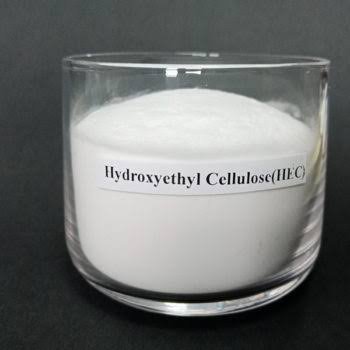
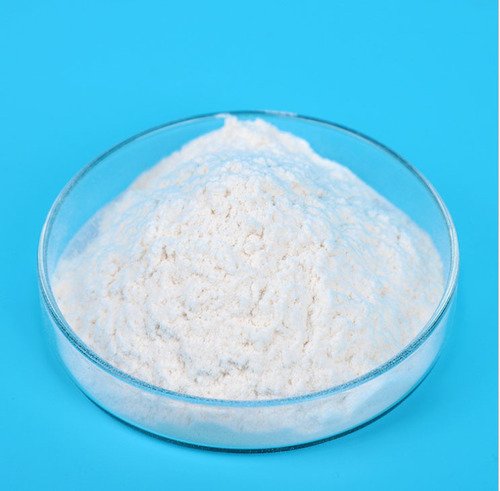
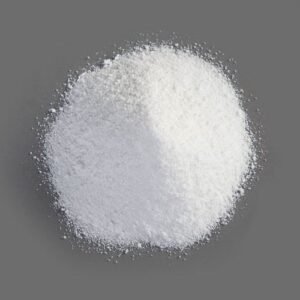
- Appearance: Fine white to off-white powder or granules
- Solubility: Soluble or dispersible in water and selected organic solvent systems, depending on grade
- Viscosity: Available in multiple viscosity grades for precise formulation control
- Purity: High-purity grades available to meet demanding industrial and pharmaceutical applications
- Functional Properties: Thickening, binding, film formation, stabilization, suspension, lubrication, and viscosity modification
- Packaging Options: Standard 20–25 kg moisture-resistant bags; bulk packaging available upon request
- Shelf Life: Typically 24 months when stored unopened under recommended dry, cool, and well-ventilated conditions
- Storage: Protect from moisture, excessive heat, and direct sunlight
- Origin: Supplied according to buyer specification and sourcing availability
3. Core Industrial Applications
- Pharmaceuticals: Used as a binder, film-forming agent, viscosity modifier, and controlled-release formulation aid in tablets, capsules, and topical preparations.
- Food & Beverage: Supports viscosity, texture, stabilization, and formulation consistency in selected food applications.
- Personal Care & Cosmetics: Provides thickening, film formation, suspension, and texture enhancement in creams, gels, lotions, and specialty formulations.
- Construction Materials: Functions as a rheology modifier, water-retention aid, and processing enhancer in selected cementitious and dry-mix systems.
- Coatings & Industrial Formulations: Improves viscosity control, film formation, stability, and application characteristics.
- Specialty Chemicals: Enables precise rheological and formulation control across diverse manufacturing processes.
Its non-ionic functionality and controllable viscosity performance provide manufacturers with formulation flexibility, consistent processing, and reliable product performance compared with less versatile thickening alternatives.
4. Competitive Advantages
- Quality Consistency: Controlled specifications support repeatable formulation and production performance.
- Supply Reliability: Structured sourcing and bulk procurement support continuous industrial requirements.
- Logistics Capability: Export-ready packaging and coordinated international freight solutions for commercial shipments.
- Price Competitiveness: Bulk sourcing supports cost-efficient procurement and improved supply economics.
- Technical Performance: Multiple grades and viscosity profiles allow manufacturers to select HPC according to specific processing and end-use requirements.
- Sustainability: Cellulose-derived chemistry provides a renewable-material basis compared with many fully synthetic polymer alternatives.
- Documentation & Support: Product specifications, technical documentation, and application information can be provided according to buyer and regulatory requirements.
5. Commercial & Supply Information
- Minimum Order Quantity (MOQ): BULK 20MT
- Loading Capacity: Typically approximately 20–24 MT per 20-foot container, subject to packaging configuration, product density, and applicable container weight limits
- Packaging: Standard industrial export packaging or customized bulk packaging upon request



Reviews
There are no reviews yet.