
1. Product Overview
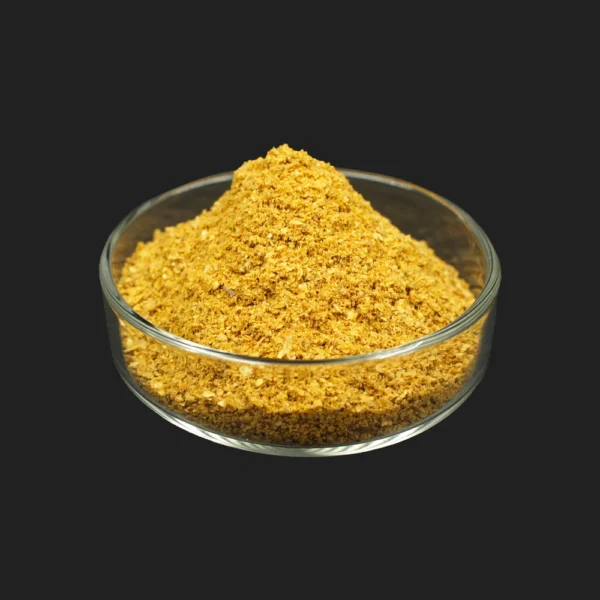
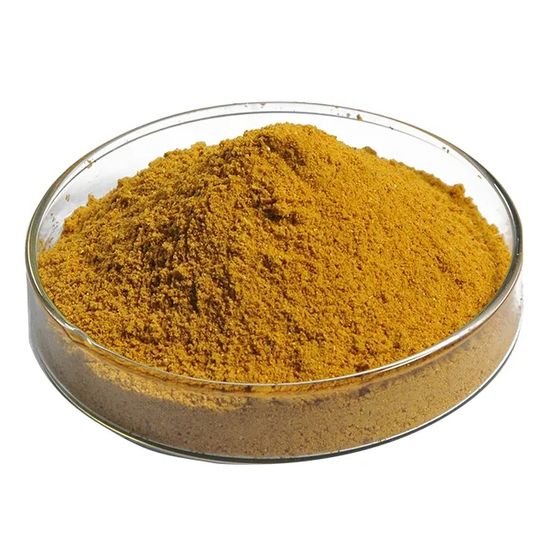
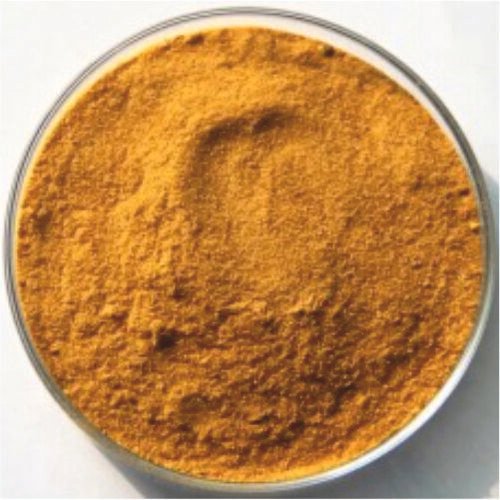
Corn Feed Grade is high-quality maize processed and supplied specifically for use in animal feed manufacturing. It serves as an energy-rich carbohydrate and starch source for poultry, livestock, and other feed formulations. Consistent quality and dependable bulk supply support efficient feed production, predictable formulation performance, and competitive production costs. Its broad global availability makes feed-grade corn a strategically important commodity for commercial animal nutrition and feed manufacturers.
2. Key Specifications & Technical Characteristics
- Product: Corn (Maize), Feed Grade
- Grade: Feed Grade
- Composition: Primarily starch, carbohydrates, protein, fiber, oil, and naturally occurring minerals
- Typical Moisture: ≤14%
- Protein: Typically 7–10%, subject to origin and specification
- Purity: Free from significant foreign matter, mold, and infestation; specification-based quality control
- Form: Whole kernels or processed corn, according to buyer requirements
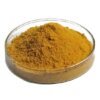
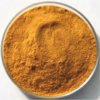
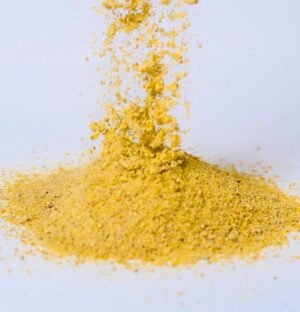
- Color: Yellow to golden yellow, depending on variety and origin
- Kernel Quality: Sound, clean, dry, and suitable for animal feed processing
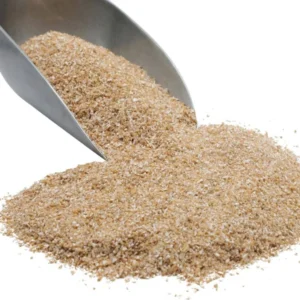
- Particle Size: Whole kernel, cracked, or milled according to application
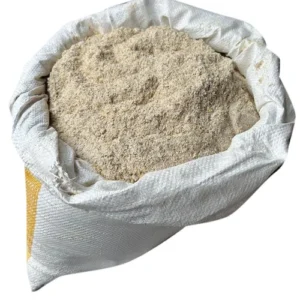
- Packaging: Bulk shipment, 25 kg/50 kg bags, or customized packaging
- Shelf Life: Typically up to 12 months when stored under suitable dry, cool, and well-ventilated conditions
- Quality Documentation: Certificate of Analysis (COA) and relevant shipment documentation available upon request
3. Core Industrial Applications
- Poultry Feed Manufacturing: Provides a highly digestible energy and starch source for broiler, layer, and breeder diets.
- Livestock Feed: Used extensively in cattle, swine, and other livestock formulations to support energy requirements.
- Animal Nutrition: Incorporated into balanced feed rations alongside protein sources, minerals, vitamins, and other nutritional ingredients.
- Feed Processing: Suitable for grinding, milling, mixing, extrusion, and other commercial feed-production processes.
- Cost Optimization: Its energy density, wide availability, and processing flexibility make it an economical alternative to higher-cost energy ingredients.
4. Competitive Advantages
- Quality Consistency: Controlled sourcing and specification-based quality management help maintain consistent feed-grade characteristics.
- Supply Reliability: Bulk procurement options support continuous production requirements and long-term sourcing programs.
- Logistics Capability: Suitable for containerized and bulk international shipment with flexible packaging options.
- Price Competitiveness: Efficient bulk sourcing and scalable supply help buyers optimize procurement costs.
- Storage & Handling: Properly dried and packaged corn supports efficient transportation, storage, and feed-mill handling.
- Sustainability: Efficient use of agricultural commodities in feed production supports resource-efficient animal nutrition supply chains.
- Technical Documentation: COA and relevant product/shipping documentation can be provided to support quality verification and procurement compliance.
5. Commercial & Supply Information
- Minimum Order Quantity (MOQ): BULK 20 MT
- Loading Capacity: Approximately 20–25 MT per 20-foot container, depending on packaging, loading configuration, and applicable transport regulations
- Packaging Options: Bulk, 25 kg/50 kg bags, or customized bulk packaging
- Supply: Available for domestic and international wholesale procurement
Reviews
There are no reviews yet.