
1. Product Overview
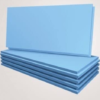
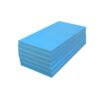
Extruded Polystyrene (XPS) Board is a rigid, closed-cell thermal insulation material manufactured from extruded polystyrene foam, engineered for high-performance building insulation. It is widely used in walls, roofs, floors, foundations, cold-storage facilities, and other applications requiring reliable thermal resistance and moisture protection. Its low water absorption, high compressive strength, dimensional stability, and durable insulation performance provide long-term energy-efficiency and construction benefits. XPS is strategically important for modern building projects seeking improved thermal performance, reduced energy consumption, and durable insulation solutions.
2. Key Specifications & Technical Characteristics
- Material Composition: Extruded polystyrene (XPS) closed-cell foam, typically produced from polystyrene resin with blowing agents and performance additives.
- Grade: Rigid thermal insulation grade suitable for construction and industrial applications.
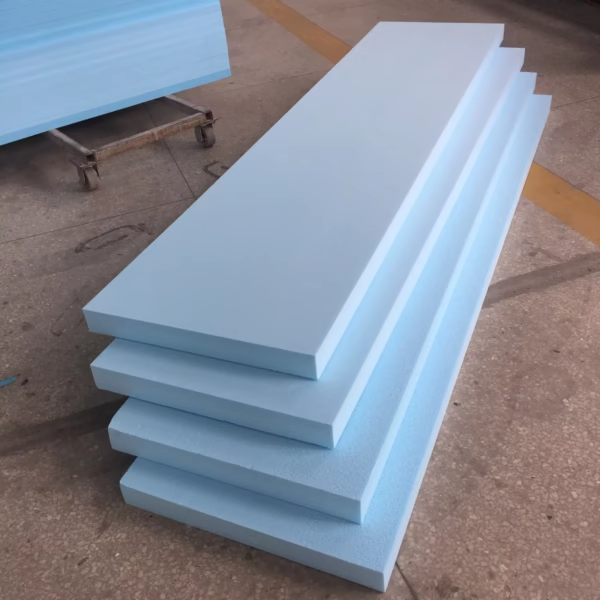
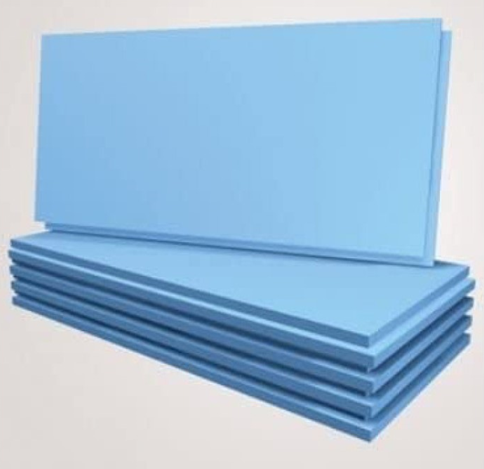
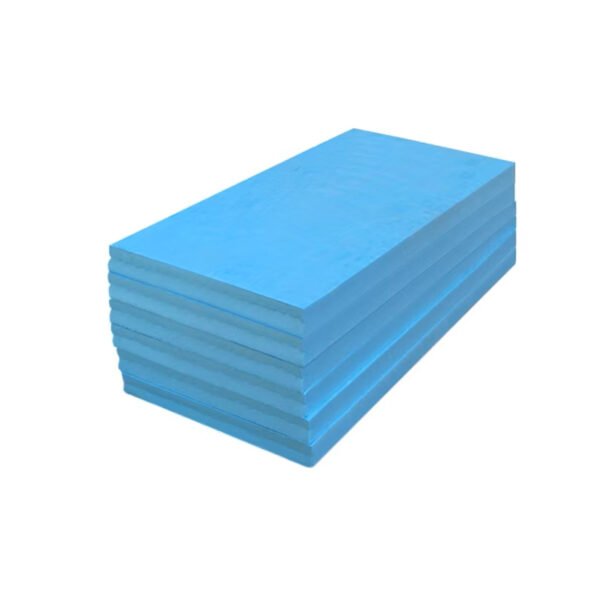
- Physical Form: Rigid, lightweight boards with a uniform closed-cell structure and smooth or textured surface.
- Typical Color: Blue, pink, green, or other manufacturer-specified colors.
- Density: Typically approximately 25–45 kg/m³, depending on grade and application.
- Compressive Strength: Available in multiple grades, commonly ranging from approximately 200–700 kPa or higher.
- Thermal Conductivity: Typically approximately 0.027–0.036 W/m·K, depending on thickness, density, and product specification.
- Water Absorption: Low due to the closed-cell structure, supporting use in moisture-prone environments.
- Thickness: Commonly available from approximately 20 mm to 150 mm or according to project requirements.
- Board Dimensions: Standard and customized dimensions available depending on supplier and project specifications.
- Packaging: Bundled and protected with polyethylene film or other suitable protective packaging for transport and storage.
- Shelf Life: Long service life when stored correctly and protected from prolonged exposure to direct sunlight, heat, and incompatible chemicals.
3. Core Industrial Applications
- Building & Construction: Used for external and internal wall insulation, roof insulation, floor insulation, and foundation applications to improve thermal efficiency.
- Roofing Systems: Provides durable insulation beneath or above roofing assemblies while offering resistance to moisture and compression.
- Floor & Foundation Insulation: High compressive strength makes XPS suitable beneath concrete slabs, floors, foundations, and other load-bearing areas.
- Cold Storage & Refrigeration: Used in cold rooms, refrigerated facilities, warehouses, and temperature-controlled structures requiring effective thermal insulation.
- Infrastructure Projects: Suitable for roads, bridges, parking structures, and other applications requiring lightweight, moisture-resistant thermal insulation.
- Commercial & Industrial Buildings: Helps reduce heat transfer and operational energy costs while supporting long-term building performance.
- Performance Advantage: Compared with many conventional insulation materials, XPS combines low thermal conductivity, low moisture absorption, high compressive strength, and dimensional stability, making it effective in demanding environments.
4. Competitive Advantages
- Quality Consistency: Uniform closed-cell structure, controlled density, thickness, and thermal performance support reliable project specifications.
- Supply Reliability: Suitable for bulk procurement programs with scalable production and international sourcing capabilities.
- Logistics Capability: Lightweight, stackable boards can be packaged for efficient handling, container loading, and international transportation.
- Price Competitiveness: Bulk sourcing provides opportunities for competitive project pricing and improved procurement economics.
- Durability: Strong resistance to moisture and compression supports extended service performance in demanding construction environments.
- Energy Efficiency: Effective thermal insulation helps reduce heating and cooling requirements and supports energy-efficient building designs.
- Sustainability Benefits: Long service life and reduced building energy consumption can contribute to improved overall building efficiency; environmental performance depends on formulation, blowing agents, manufacturing practices, and end-of-life management.
- Technical Documentation: Product specifications, technical data sheets, test reports, and compliance documentation can be provided according to project and market requirements.
5. Commercial & Supply Information
- Minimum Order Quantity (MOQ): BULK 20 MT
- Loading Capacity: Approximately 20–30 MT per 40-ft container, depending on board dimensions, thickness, packaging configuration, product density, and applicable container payload limits.


Reviews
There are no reviews yet.