





1. Product Overview
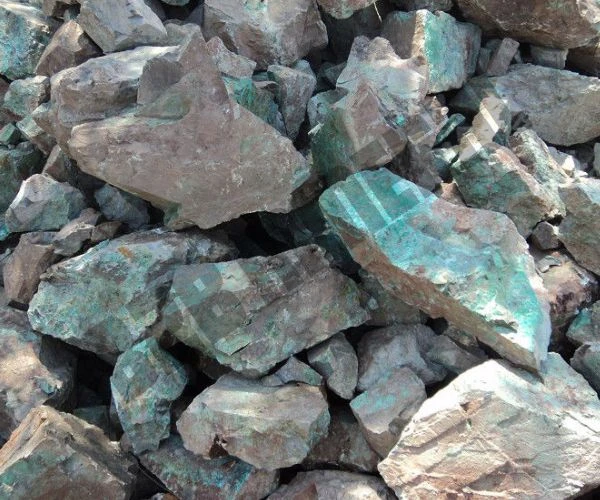
Copper Ore is a naturally occurring mineral resource containing copper-bearing minerals, primarily processed to produce copper concentrates and refined copper. It is a critical feedstock for copper smelting and refining, supporting global demand across electrical, construction, renewable energy, transportation, and industrial manufacturing sectors. Supplied according to agreed assay and quality specifications, copper ore provides industrial buyers with a scalable source of copper-bearing material for efficient downstream processing. Its strategic importance continues to grow as electrification, renewable energy infrastructure, and advanced manufacturing increase global copper demand.
2. Key Specifications & Technical Characteristics
- Material: Copper-bearing mineral ore
- Copper Content: Determined by laboratory assay and commercial specification; typical grades vary according to ore source and deposit
- Mineral Composition: May contain copper minerals such as chalcopyrite, bornite, chalcocite, or malachite, together with naturally occurring gangue minerals
- Grade: Supplied according to buyer-required copper assay and agreed contractual specifications
- Physical Form: Crushed ore, lumps, fines, or other agreed particle-size distribution
- Color: Typically reddish-brown, brown, black, green, or mixed mineral coloration depending on mineralogy
- Particle Size: Customized according to processing and buyer requirements
- Moisture: Determined and documented according to agreed commercial specifications
- Packaging: Bulk shipment, containers, jumbo bags, or other suitable packaging subject to order requirements
- Quality Documentation: Assay certificates, inspection reports, certificates of origin, and other commercial documentation available where applicable
- Shelf Life: Generally stable under appropriate dry storage conditions; moisture protection is recommended to preserve handling and processing characteristics
3. Core Industrial Applications
- Copper Smelting & Refining: Primary feedstock for producing copper concentrates, blister copper, and refined copper.
- Mining & Mineral Processing: Suitable for crushing, grinding, flotation, concentration, and other beneficiation processes.
- Electrical & Electronics: Supports downstream production of copper used in cables, wiring, electrical components, motors, transformers, and power infrastructure.
- Construction & Infrastructure: Provides essential copper feedstock for plumbing, roofing, HVAC systems, electrical installations, and building systems.
- Renewable Energy & EV Supply Chains: Supports copper-intensive applications including solar installations, wind turbines, batteries, charging infrastructure, and electric vehicles.
- Industrial Manufacturing: Serves as a strategic raw material for copper-based alloys, components, machinery, and engineered products.
4. Competitive Advantages
- Quality Consistency: Material can be supplied against agreed copper assay, moisture, sizing, and impurity specifications.
- Supply Reliability: Structured sourcing supports recurring bulk procurement and long-term industrial supply requirements.
- Logistics Capability: Suitable for bulk and containerized international shipments, with loading and documentation coordinated according to contract terms.
- Price Competitiveness: Bulk procurement and direct sourcing opportunities can support commercially competitive landed costs.
- Processing Value: Copper-bearing ore provides a flexible feedstock for established beneficiation, concentration, smelting, and refining operations.
- Strategic Commodity: Copper is essential to electrification, infrastructure development, renewable energy, and industrial modernization.
- Technical Documentation: Assay and inspection documentation can be provided according to buyer, regulatory, and contractual requirements.
- Sourcing Flexibility: Specifications, shipment terms, packaging, and quality requirements can be aligned with individual industrial procurement programs.
5. Commercial & Supply Information
- Minimum Order Quantity (MOQ): BULK 20 MT
- Loading Capacity: Typically 20–25 MT per container, subject to ore density, packaging method, container limitations, and agreed shipping requirements



Reviews
There are no reviews yet.