


1. Product Overview
Alumina Magnesia Brick is a high-performance basic refractory brick manufactured from alumina and magnesia-based raw materials for demanding high-temperature industrial environments. It is primarily used in steelmaking, cement, non-ferrous metallurgy, and other thermal processing applications where excellent refractoriness, thermal stability, and resistance to slag attack are required. Its robust composition provides reliable performance under severe operating conditions, helping extend refractory service life and reduce maintenance and replacement costs. As a critical furnace-lining material, Alumina Magnesia Brick supports operational continuity and cost-efficient refractory management across heavy industries.
2. Key Specifications & Technical Characteristics
- Material Composition: High-alumina refractory aggregate combined with magnesia-based components, with formulation tailored to the required operating environment.
- Alumina (Al₂O₃): Typically available in high-alumina grades, with exact content determined by grade and customer specification.
- Magnesia (MgO): Controlled MgO content engineered to provide strong resistance to high-temperature chemical and slag attack.
- Refractoriness: Designed for high-temperature service and demanding furnace conditions.
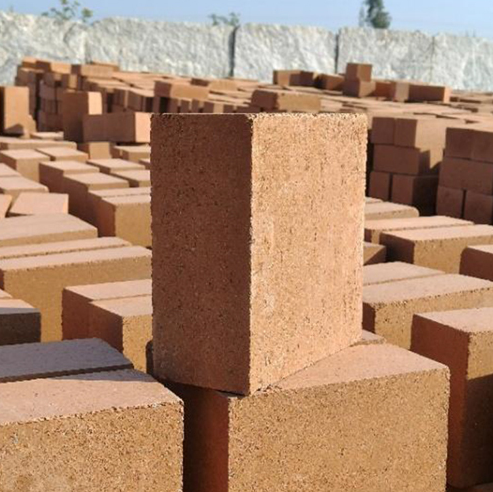
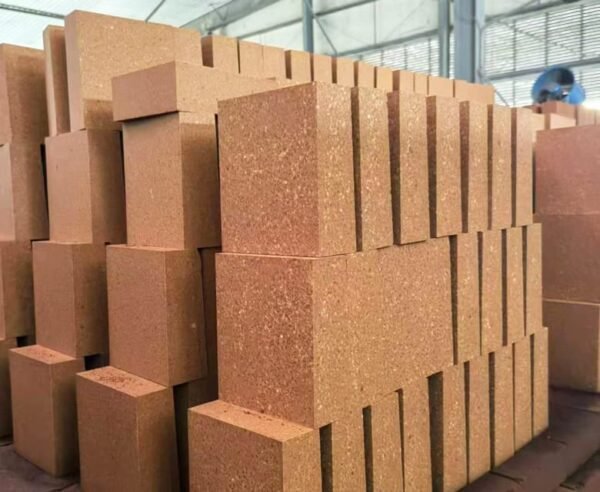
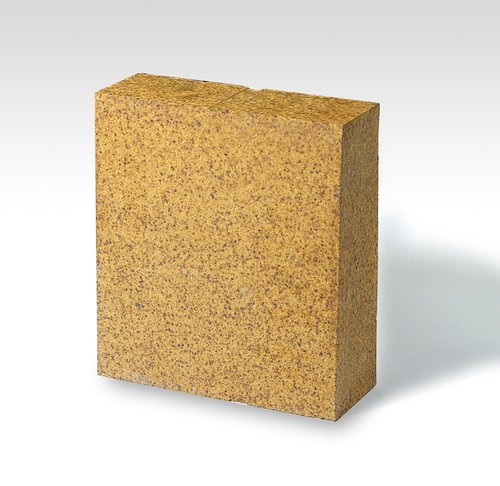
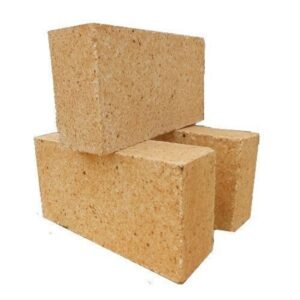
- Physical Form: Dense, rigid fired refractory bricks.
- Color: Typically cream, beige, yellowish, or light brown, depending on raw materials and manufacturing formulation.
- Bulk Density: Generally high-density construction suitable for heavy-duty refractory applications; exact values depend on grade.
- Apparent Porosity: Controlled during manufacturing to balance durability, thermal performance, and resistance to penetration.
- Dimensional Accuracy: Manufactured to standard refractory brick dimensions or customized specifications according to project requirements.
- Thermal Characteristics: High thermal stability with strong resistance to deformation and thermal cycling.
- Packaging Options: Export-grade pallets, shrink wrapping, wooden cases, or customer-specified industrial packaging.
- Shelf Life: Long-term storage is possible when kept dry, covered, and protected from moisture and contamination.
- Quality Documentation: Technical data sheets, certificates of analysis, inspection documentation, and other quality records can be provided subject to order requirements.
3. Core Industrial Applications
- Steel Industry: Used in furnace linings, ladles, heat-treatment equipment, and other high-temperature zones requiring strong resistance to molten materials and aggressive slags.
- Cement Manufacturing: Suitable for selected kiln and high-temperature refractory zones where resistance to thermal stress and chemical attack is essential.
- Non-Ferrous Metallurgy: Applied in furnaces and thermal processing equipment handling copper, nickel, aluminum, and other metallurgical materials.
- Foundries: Used in high-temperature furnace and heat-processing environments requiring dense, durable refractory linings.
- Industrial Furnaces: Suitable for furnace linings, kiln systems, heat-treatment units, and other thermal-processing equipment.
- High-Temperature Processing: Performs effectively where conventional refractory materials may experience accelerated wear, chemical attack, or thermal degradation.
Its alumina-magnesia composition provides a strong combination of refractoriness, mechanical stability, and resistance to aggressive operating environments, supporting longer service intervals and dependable furnace performance.
4. Competitive Advantages
- Quality Consistency: Controlled raw-material selection and manufacturing processes support consistent chemical and physical characteristics across production batches.
- High-Temperature Durability: Engineered for demanding thermal environments, helping reduce premature refractory failure and unplanned maintenance.
- Chemical & Slag Resistance: Alumina-magnesia chemistry provides strong resistance to aggressive slags and high-temperature chemical interactions.
- Supply Reliability: Structured bulk-supply capability supports recurring industrial procurement and large-scale refractory projects.
- Logistics Capability: Export-oriented packaging and bulk shipment coordination help facilitate efficient international delivery.
- Price Competitiveness: Competitive sourcing and volume-based procurement can provide cost advantages for industrial buyers.
- Sustainability Benefits: Durable refractory performance can help reduce replacement frequency, material consumption, downtime, and associated disposal requirements.
- Technical Documentation: Product specifications, quality certificates, test reports, and technical documentation can be supplied according to buyer and project requirements.
- Strategic Sourcing Value: A combination of performance, dependable supply, bulk purchasing capability, and technical support makes Alumina Magnesia Brick a practical choice for long-term industrial refractory procurement.
5. Commercial & Supply Information
- Minimum Order Quantity (MOQ): BULK 20 MT
- Loading Capacity: Approximately 20–25 MT per standard 20-foot container, subject to brick dimensions, packaging configuration, applicable payload restrictions, and destination requirements.
- Supply Format: Bulk industrial orders with export-standard packaging.
- Delivery: International supply available, subject to destination, order volume, production schedule, and agreed shipping terms.

Reviews
There are no reviews yet.