
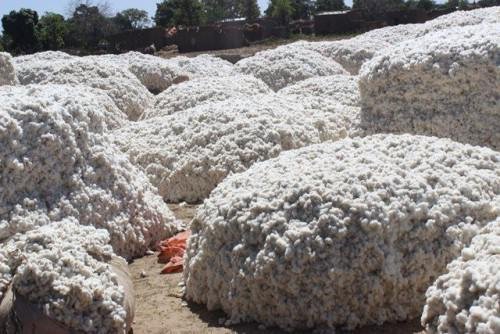
1. Product Overview
Raw Cotton is a natural agricultural fiber supplied as unprocessed cotton lint for textile and industrial manufacturing applications. It serves as a critical raw material for spinning yarn, producing fabrics, home textiles, apparel, and other cotton-based products. Its natural fiber properties provide reliable processing performance, breathability, softness, and strong downstream versatility. Consistent quality and dependable bulk supply make raw cotton a strategic sourcing input for manufacturers seeking efficient, scalable production.
2. Key Specifications & Technical Characteristics
- Material Composition: Natural cellulose fiber derived from cotton plants.
- Grade: Industrial/textile-grade raw cotton; specifications can be tailored to buyer requirements.
- Purity: Supplied to agreed commercial and quality specifications, with foreign-matter control.
- Physical Form: Ginned cotton lint/bales.
- Color: Natural white to creamy white, depending on variety and origin.
- Fiber Characteristics: Staple length, micronaire, strength, moisture, and uniformity specified according to buyer requirements.
- Packaging: Standard compressed bales suitable for bulk export and containerized transportation.
- Shelf Life: Long-term storage is possible when kept clean, dry, ventilated, and protected from moisture and contamination.
3. Core Industrial Applications
- Textile Manufacturing: Primary feedstock for spinning mills producing cotton yarn and thread.
- Fabric Production: Used in woven and knitted fabrics for apparel, household textiles, and industrial fabrics.
- Home Textiles: Suitable for towels, bedding, curtains, and other cotton-based products.
- Industrial Products: Used in selected applications requiring natural cellulose fiber.
- Processing Advantage: Natural fiber characteristics support efficient spinning and downstream processing while offering durability, comfort, breathability, and broad product versatility.
- Cost Advantage: Bulk procurement and standardized bale packaging support efficient logistics, inventory management, and large-scale manufacturing.
4. Competitive Advantages
- Quality Consistency: Controlled specifications help support predictable processing and finished-product quality.
- Supply Reliability: Structured bulk sourcing supports continuity for industrial buyers and textile manufacturers.
- Logistics Capability: Compressed bale packaging enables efficient container utilization and international transportation.
- Price Competitiveness: Bulk 20 MT procurement supports commercially competitive sourcing and scalable purchasing.
- Sustainability: Cotton is a renewable natural fiber and can support recyclable, biodegradable, and lower-synthetic-content textile solutions.
- Documentation & Support: Commercial specifications and quality documentation can be provided according to buyer and shipment requirements.
- Strategic Sourcing Value: A scalable natural-fiber supply option designed to support consistent manufacturing requirements and long-term procurement programs.
5. Commercial & Supply Information
- Minimum Order Quantity (MOQ): BULK 20 MT
- Loading Capacity: Approximately 20–24 MT per standard container, subject to bale configuration, container specifications, and applicable weight limits.


Reviews
There are no reviews yet.