




1. Product Overview
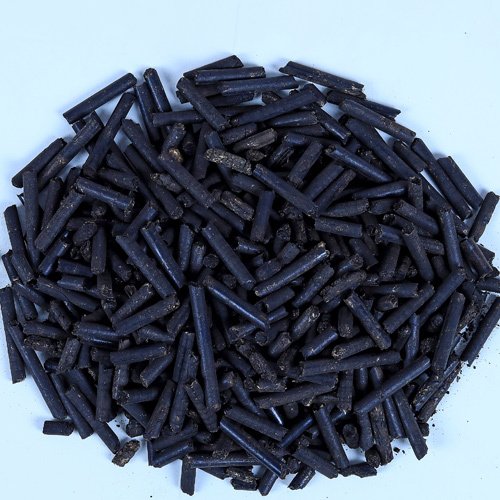
Torrefied Wood Pellets, also known as Black Pellets, are a high-performance solid biomass fuel produced by thermally treating wood at elevated temperatures in a low-oxygen environment. They are primarily used for industrial power generation, co-firing, heating, and other high-efficiency energy applications. Their higher energy density, improved hydrophobicity, and enhanced grindability provide operational advantages over conventional wood pellets. As a scalable renewable solid fuel, Black Pellets support industrial decarbonization and the transition toward lower-carbon energy systems.
2. Key Specifications & Technical Characteristics
- Material Composition: Thermally treated woody biomass; typically derived from sustainably sourced wood residues or other qualified woody feedstock.
- Grade: Industrial-grade torrefied biomass fuel.
- Moisture: Typically low, depending on production specification.
- Calorific Value: Typically higher than conventional wood pellets, subject to feedstock and processing conditions.
- Form: Cylindrical compressed pellets.
- Color: Dark brown to black.
- Bulk Density: High-density solid biomass fuel; specification dependent.
- Particle Characteristics: Uniform pellet size suitable for automated handling and industrial fuel systems.
- Hydrophobicity: Improved resistance to moisture absorption compared with conventional wood pellets.
- Packaging Options: Bulk vessel, bulk truck, jumbo bags, or other industrial packaging formats according to buyer requirements.
- Shelf Life: Long-term storage capability when maintained in suitable dry and controlled storage conditions.
- Documentation: Product specifications, quality certificates, sustainability documentation, and relevant test reports available subject to contract and supply specification.
3. Core Industrial Applications
- Power Generation: Used as a renewable solid fuel for dedicated biomass plants and coal-fired power stations adapted for biomass co-firing.
- Industrial Heating: Suitable for boilers, furnaces, and high-temperature thermal energy systems.
- Co-Firing: Improved energy density and grindability make Black Pellets suitable for blending with coal and other solid fuels in compatible systems.
- District & Commercial Heating: Provides a renewable alternative for large-scale heating applications requiring consistent solid biomass fuel.
- Biomass Energy Projects: Supports renewable-energy projects seeking higher-performance biomass feedstocks with improved storage and handling characteristics.
- Operational Benefits: Compared with conventional biomass pellets, torrefied pellets can offer improved moisture resistance, higher energy density, better storage characteristics, and easier milling for certain industrial combustion systems.
4. Competitive Advantages
- Quality Consistency: Controlled torrefaction and pelletizing processes support consistent fuel characteristics and reliable combustion performance.
- Supply Reliability: Suitable for structured bulk procurement programs and recurring industrial supply contracts.
- Logistics Capability: Bulk loading and industrial packaging options facilitate efficient international transportation, handling, and storage.
- Price Competitiveness: Commercial bulk supply enables cost-efficient procurement for large-volume energy users, subject to origin, specification, and destination.
- Sustainability: Produced from woody biomass and positioned as a renewable solid fuel that can contribute to fossil-fuel substitution and industrial emissions-reduction strategies.
- Technical Documentation: Specifications, laboratory test results, sustainability credentials, and supporting documentation can be provided according to buyer and contract requirements.
- Strategic Sourcing Value: Combines renewable fuel characteristics with industrial-scale handling and energy-density advantages, making it suitable for organizations pursuing reliable biomass sourcing and energy-transition objectives.
5. Commercial & Supply Information
- Minimum Order Quantity (MOQ): Bulk — 20 MT
- Loading Capacity: Container and bulk-loading capacity available according to vessel/container specifications, product density, packaging method, and applicable transport regulations.



Reviews
There are no reviews yet.