




1. Product Overview
Naphtha Full Range is a light petroleum hydrocarbon mixture obtained from crude oil refining, serving as a versatile feedstock for petrochemical manufacturing and industrial processing. It is primarily used in steam cracking, reforming, gasoline blending, and the production of olefins, aromatics, and other valuable chemical intermediates. Its broad hydrocarbon composition supports diverse downstream applications, offering flexibility for refineries and petrochemical manufacturers. As a strategically important refinery product, full-range naphtha plays a key role in global energy, chemicals, and materials supply chains.
2. Key Specifications & Technical Characteristics
- Product Name: Naphtha Full Range
- Chemical Composition: Mixture of petroleum-derived hydrocarbons, including paraffins, naphthenes, and aromatics.
- Grade: Full-range refinery naphtha; specifications depend on the refinery and intended application.
- Purity: Not expressed as a single purity percentage; composition and quality are determined by the product specification.
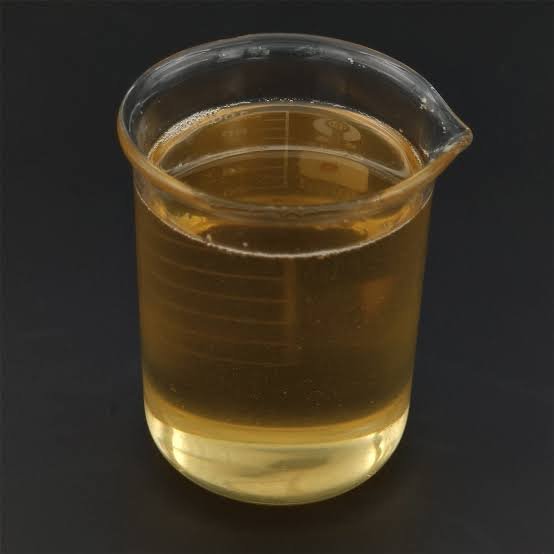
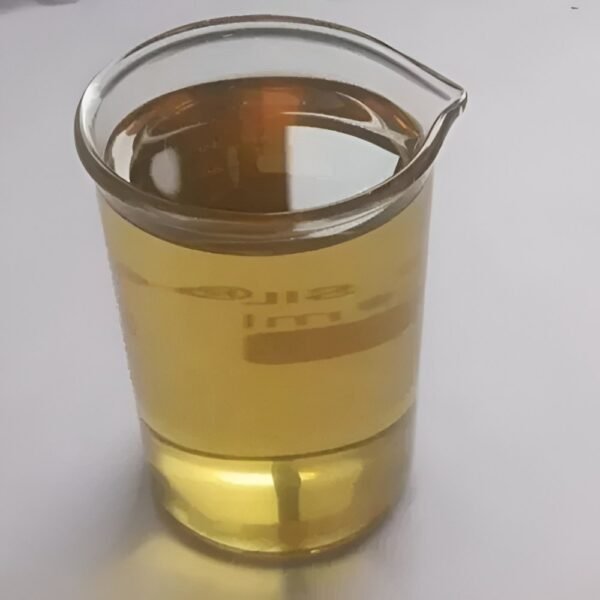
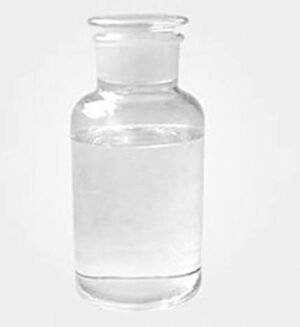
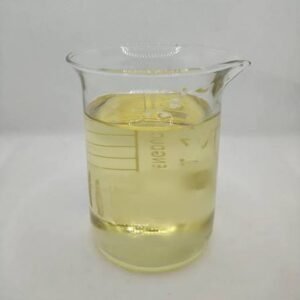
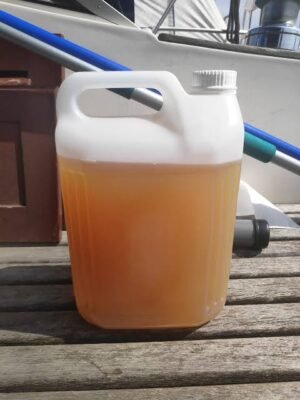
- Physical Form: Clear to pale-yellow volatile liquid.
- Odour: Characteristic petroleum odour.
- Boiling Range: Typically approximately 30–200°C, depending on the refinery cut and specification.
- Density: Varies by composition and grade; confirm against the supplier’s certificate of analysis.
- Packaging Options: Bulk liquid supplied through suitable tanker vessels, road tankers, or approved storage and transfer systems.
- Shelf Life: Depends on storage conditions, container integrity, and applicable product specifications.
- Origin: Available from petroleum refineries and approved petrochemical supply sources; confirm the specific country of origin.
- Documentation: Certificate of Analysis (CoA), Safety Data Sheet (SDS), and applicable transport documentation, subject to supplier availability.
3. Core Industrial Applications
- Petrochemical Manufacturing: Used as feedstock for producing olefins and other chemical building blocks for plastics, synthetic materials, and industrial chemicals.
- Steam Cracking: Processed to manufacture ethylene, propylene, and other petrochemical intermediates.
- Refinery Operations: Used in selected refinery processes and intermediate product streams, depending on its composition.
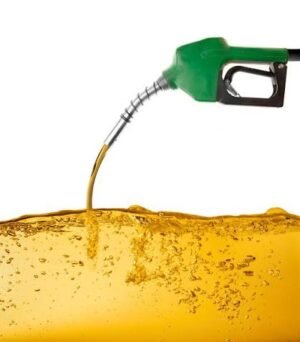
- Gasoline Blending: Can be incorporated into gasoline production where its properties meet applicable formulation and regulatory requirements.
- Catalytic Reforming: Suitable naphtha fractions may be processed to produce high-octane reformate and aromatic-rich streams.
- Chemical Processing: Supports the production of downstream chemical intermediates used across manufacturing industries.
Full-range naphtha offers feedstock flexibility and broad industrial utility. Its suitability for specific processes depends on hydrocarbon composition, boiling range, sulphur content, and other quality parameters verified against the buyer’s technical requirements.
4. Competitive Advantages
- Quality Consistency: Defined product specifications and batch-level testing support process compatibility and quality control.
- Supply Reliability: Bulk sourcing arrangements can support recurring industrial demand, subject to availability and contractual terms.
- Logistics Capability: Bulk liquid handling and coordinated transport support large-volume refinery and petrochemical operations.
- Price Competitiveness: Volume-based procurement and supply planning can help buyers optimise feedstock costs.
- Operational Flexibility: Broad industrial applications provide sourcing flexibility across compatible refinery and petrochemical processes.
- Sustainability Considerations: Efficient feedstock utilisation and optimised logistics may reduce operational waste and transport intensity; naphtha remains a fossil-derived hydrocarbon product.
- Technical Documentation: Product specifications, Safety Data Sheets, Certificates of Analysis, and relevant shipping documents can support procurement, handling, and regulatory compliance, subject to availability.
5. Commercial & Supply Information
- Minimum Order Quantity (MOQ): Bulk 20 MT.
- Loading Capacity: Subject to vessel, tanker, container suitability, and applicable transport regulations. Confirm the permissible metric-tonne loading capacity with the supplier before shipment.
Reviews
There are no reviews yet.