

1. Product Overview
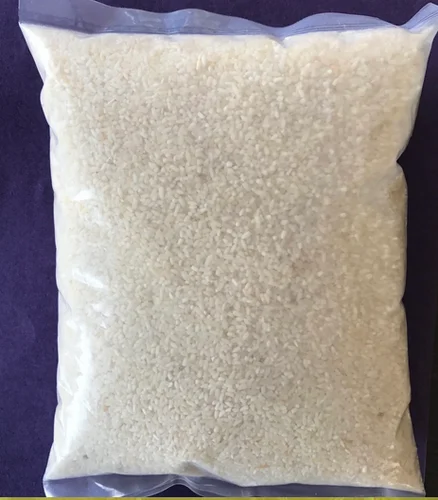
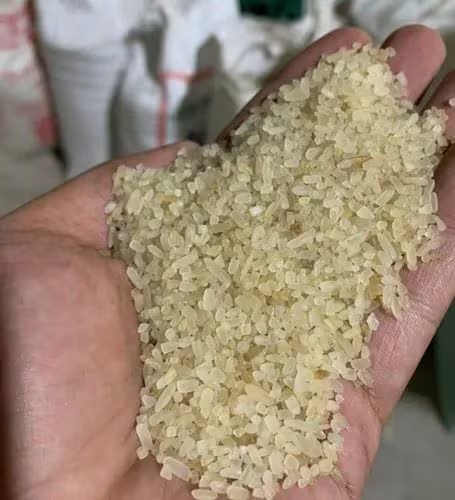
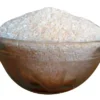
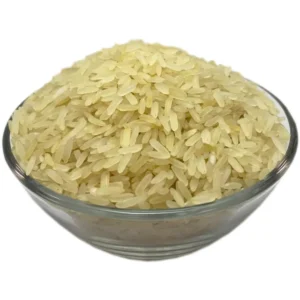
Broken Rice Food Grade is a high-quality rice product consisting of milled rice grains that are naturally or mechanically broken during processing, offering a cost-effective alternative to whole-grain rice. It is widely used in food manufacturing, brewing, animal feed formulations, rice-based products, and other commercial food-processing applications. Its consistent quality, nutritional value, and efficient processing characteristics make it a practical choice for high-volume buyers seeking dependable rice supply at competitive cost. The 25kg bag format supports convenient handling, storage, distribution, and wholesale procurement.
2. Key Specifications & Technical Characteristics
- Product Type: Broken Rice – Food Grade
- Material Composition: Milled rice grains, primarily composed of carbohydrates (starch), with naturally occurring protein, moisture, and trace nutritional components
- Grade: Food Grade
- Purity: Commercial food-grade quality, subject to agreed buyer specifications and quality standards
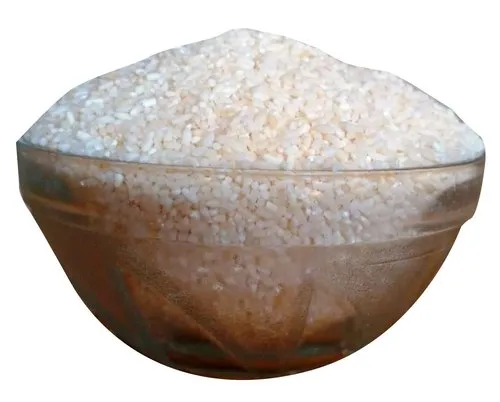
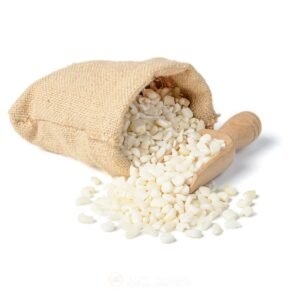
- Physical Form: Broken rice grains
- Color: White to creamy-white, depending on rice variety and processing
- Grain Characteristics: Uniformly milled broken rice pieces with controlled foreign matter and impurities
- Moisture: Typically controlled within commercially accepted food-grade specifications
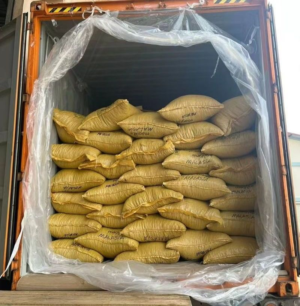
- Packaging: 25kg food-grade bags; bulk packaging options may be available upon request
- Shelf Life: Typically up to 12 months when stored under recommended dry, cool, clean, and pest-free conditions
- Storage: Store in a dry, well-ventilated environment away from moisture, direct sunlight, chemicals, and contaminants
3. Core Industrial Applications
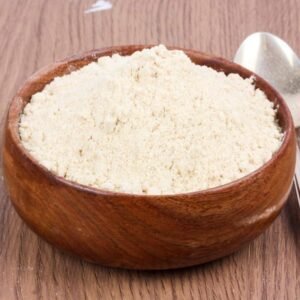
- Food Processing: Used in rice flour, rice-based foods, cereals, snacks, porridges, and other processed food products.
- Brewing & Fermentation: Suitable as a starch-rich raw material for selected brewing and fermentation processes.
- Animal Feed: Used as an economical carbohydrate and energy source in livestock and poultry feed formulations.
- Rice-Based Manufacturing: Supports production of rice products where whole grains are not commercially necessary.
- Foodservice & Wholesale Distribution: Suitable for institutional kitchens, distributors, food processors, and high-volume commercial buyers.
Its smaller grain size can provide efficient cooking, milling, blending, and processing while offering potential cost advantages compared with premium whole-grain rice.
4. Competitive Advantages
- Quality Consistency: Controlled milling and grading support consistent product characteristics across commercial shipments.
- Supply Reliability: Structured wholesale sourcing supports recurring procurement requirements and larger-volume orders.
- Logistics Capability: 25kg packaging facilitates handling, palletization, warehousing, and international distribution.
- Price Competitiveness: Broken rice provides an economical sourcing option for applications where whole grains are not essential.
- Operational Efficiency: Suitable for food processing, blending, milling, fermentation, and feed applications requiring a dependable starch-rich raw material.
- Sustainability Benefit: Utilizes broken grains generated during rice milling, supporting more efficient use of the harvested crop and reducing processing waste.
- Documentation & Support: Product specifications, quality documentation, and commercial information can be provided according to buyer and shipment requirements.
5. Commercial & Supply Information
- Minimum Order Quantity (MOQ): BULK 20MT
- Packaging: 25kg bags
- Loading Capacity: Approximately 24–26 MT per 20-foot container, subject to packaging configuration, container payload limits, and destination requirements
- Supply: Suitable for bulk wholesale, recurring procurement, and international B2B distribution
Reviews
There are no reviews yet.