

1. Product Overview
Cationic Polyacrylamide (CPAM) is a high-performance water-soluble polymer designed primarily for coagulation, flocculation, solid–liquid separation, and sludge dewatering processes. It is widely used in municipal and industrial wastewater treatment, mining, mineral processing, papermaking, and related process industries. Its strong adsorption and bridging performance promotes rapid floc formation, improved clarification, and efficient separation of suspended solids. CPAM provides industrial operators with a reliable solution for improving treatment efficiency while reducing sludge-handling and overall process costs.
2. Key Specifications & Technical Characteristics
- Chemical composition: Cationic polyacrylamide polymer based on acrylamide units with cationic functional groups.
- Grade: Industrial-grade, with cationic charge density available according to application requirements.
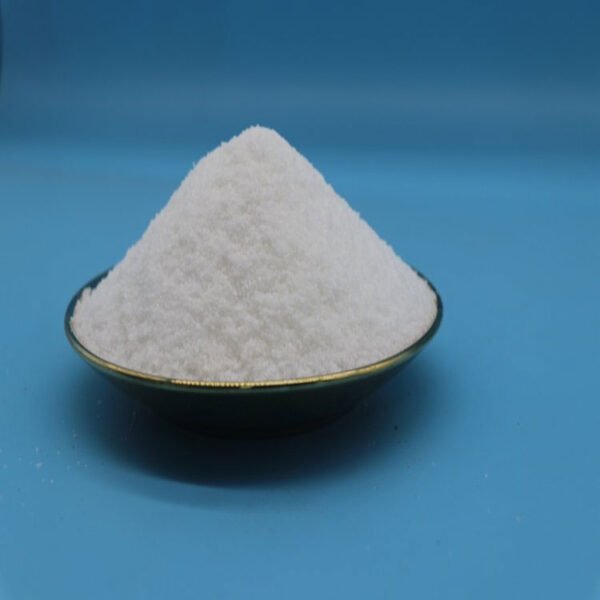
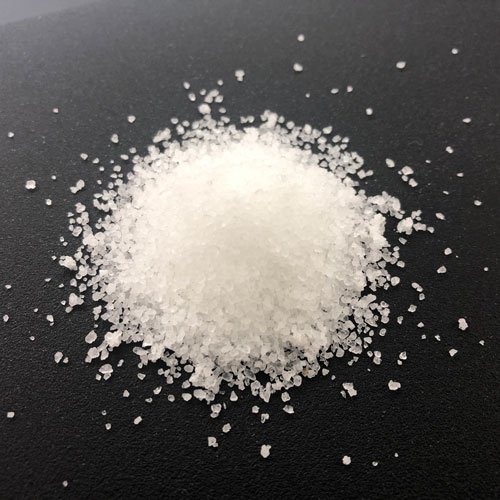
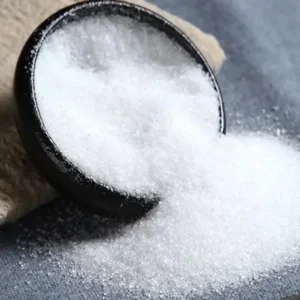
- Appearance: White to off-white granular or powder form.
- Solubility: Readily soluble in water when properly prepared and hydrated.
- Molecular weight: Available in different molecular-weight ranges to suit specific treatment and separation processes.
- Cationic charge density: Available in low, medium, and high charge grades depending on sludge and wastewater characteristics.
- Residual moisture: Controlled according to applicable commercial specifications.
- Packaging options: Typically supplied in 25 kg bags, with larger bulk packaging available subject to order requirements.
- Shelf life: Typically up to 24 months when stored sealed in a cool, dry and ventilated environment away from moisture and direct sunlight.
3. Core Industrial Applications
- Municipal wastewater treatment: Enhances flocculation and suspended-solids removal during primary and secondary treatment.
- Industrial wastewater: Supports clarification and solid–liquid separation in chemical, food-processing, textile, and manufacturing operations.
- Sludge dewatering: Improves sludge settling and water release, helping reduce sludge volume and handling costs.
- Mining and mineral processing: Promotes rapid settling of fine particles and improves process-water clarification.
- Papermaking: Used as a retention and drainage aid to improve fines and filler retention and process efficiency.
- Dredging and sediment treatment: Facilitates separation and clarification of suspended solids from water.
- Performance advantage: High adsorption and polymer bridging capability can produce larger, stronger flocs, enabling faster settling, clearer water, and more efficient downstream separation than conventional treatment approaches.
- Operational benefit: Properly selected molecular weight and cationic charge can optimize polymer consumption, dewatering performance, and overall treatment economics.
4. Competitive Advantages
- Quality consistency: Controlled polymer characteristics support predictable flocculation and treatment performance across industrial batches.
- Supply reliability: Suitable for recurring bulk procurement and long-term industrial supply programs.
- Logistics capability: Bulk quantities can be prepared for containerized international shipment with packaging configured for safe handling and transportation.
- Price competitiveness: Bulk sourcing supports cost-efficient procurement for wastewater treatment plants, mining operations, paper mills, and industrial processors.
- Process efficiency: Strong flocculation and dewatering performance can help reduce chemical consumption, improve throughput, and lower sludge-management requirements.
- Sustainability benefits: More efficient solids separation and dewatering can contribute to reduced sludge volumes, lower water-treatment resource requirements, and improved process-water recovery.
- Technical support: Product specifications, technical documentation, and application guidance can be provided to support appropriate grade selection and process optimization.
- Strategic sourcing value: CPAM combines performance, scalability, and international bulk-supply capability, making it a practical choice for organizations seeking dependable treatment-chemical procurement.
5. Commercial & Supply Information
- Minimum Order Quantity (MOQ): BULK 20 MT
- Loading Capacity: Approximately 20–25 MT per 20-foot container, subject to packaging configuration, product density, and applicable shipping limitations.



Reviews
There are no reviews yet.