
1. Product Overview
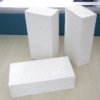
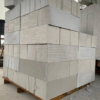
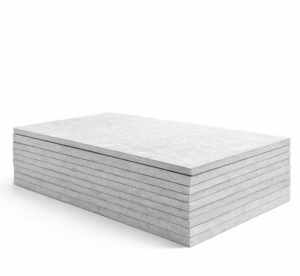
Autoclaved Aerated Concrete (AAC) Blocks are lightweight, precast building blocks manufactured from cement, fine aggregates, lime, gypsum, water, and an aerating agent, then cured under high-pressure steam. They are primarily used for internal and external walls, partitions, infill walls, and other non-load-bearing construction applications. Their low weight, thermal insulation, fire resistance, and dimensional accuracy help reduce structural loads, construction time, and overall project costs. AAC Blocks are strategically important for modern construction projects seeking efficient, durable, and resource-conscious building solutions.
2. Key Specifications & Technical Characteristics
- Material Composition: Cement, silica sand/fly ash, lime, gypsum, water, and aluminium-based aerating agent.
- Grade: Available in multiple density and strength grades according to project requirements and applicable standards.
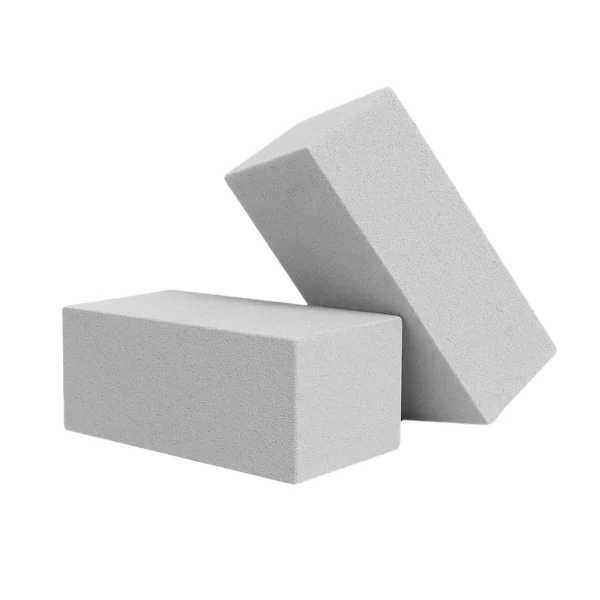
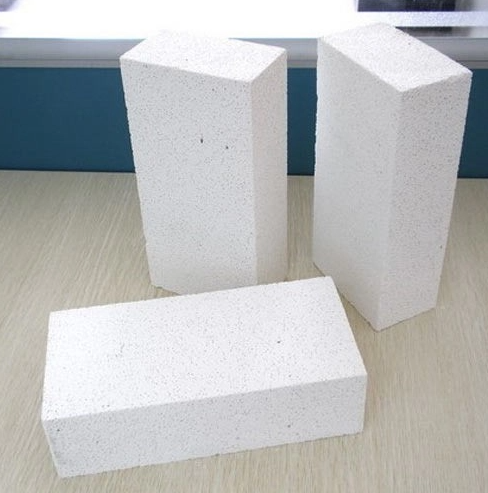
- Form: Solid, lightweight rectangular blocks with precision-cut dimensions.
- Color: Typically light grey to off-white.
- Density: Generally approximately 400–700 kg/m³, depending on grade and specification.
- Compressive Strength: Typically approximately 2.5–7.5 MPa, depending on grade.
- Thermal Performance: Low thermal conductivity provides effective insulation compared with conventional concrete masonry.
- Fire Resistance: High fire resistance suitable for a wide range of commercial, residential, and industrial structures.
- Dimensional Accuracy: Factory-controlled production provides consistent dimensions and facilitates thin-joint installation.
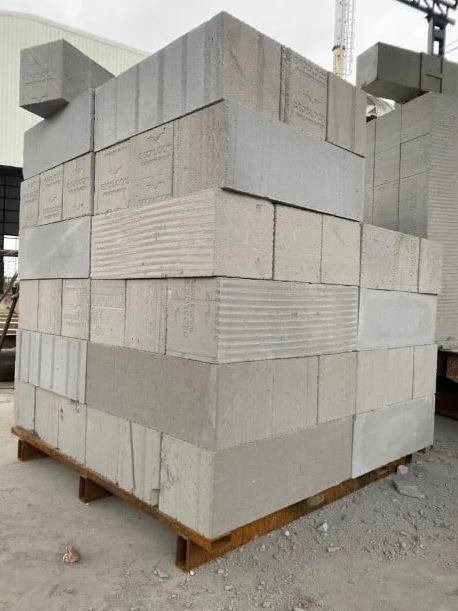
- Packaging: Bulk-loaded, palletized, strapped, or wrapped according to buyer and logistics requirements.
- Shelf Life: Long-term storage capability when kept protected from excessive moisture and adverse site conditions.
3. Core Industrial Applications
- Residential Construction: External walls, internal partitions, infill walls, and apartment developments.
- Commercial Buildings: Offices, retail facilities, hotels, warehouses, and institutional buildings.
- Industrial Projects: Factory partitions, non-load-bearing walls, and industrial facility construction.
- Infrastructure & Development: Large-scale housing, commercial complexes, and construction projects requiring lightweight masonry.
- Operational Benefits: Lower dead loads can reduce structural requirements, while precision dimensions support faster installation and reduced mortar consumption.
- Performance Advantage: Compared with conventional clay bricks and concrete blocks, AAC Blocks offer significantly lower weight, improved thermal insulation, consistent dimensions, and strong fire resistance.
4. Competitive Advantages
- Consistent Quality: Controlled manufacturing delivers uniform density, dimensions, and mechanical performance across bulk orders.
- Supply Reliability: Suitable for scheduled project procurement and recurring construction requirements.
- Logistics Capability: Bulk 20MT supply options support efficient project-scale purchasing and international shipment planning.
- Price Competitiveness: Lightweight construction can reduce transportation, handling, mortar, labor, and structural costs.
- Sustainability: Efficient material utilization, lower structural loading, and strong thermal insulation support more resource-efficient construction.
- Technical Documentation: Product specifications, test documentation, certificates, and compliance information can be provided subject to order and market requirements.
- Strategic Sourcing Value: A practical combination of lightweight performance, installation efficiency, durability, and scalable supply makes AAC Blocks suitable for professional construction procurement.
5. Commercial & Supply Information
- Minimum Order Quantity (MOQ): BULK 20 MT
- Loading Capacity: Approximately 20 MT per container, subject to block dimensions, packaging configuration, container restrictions, and destination requirements.

Reviews
There are no reviews yet.