
1. Product Overview
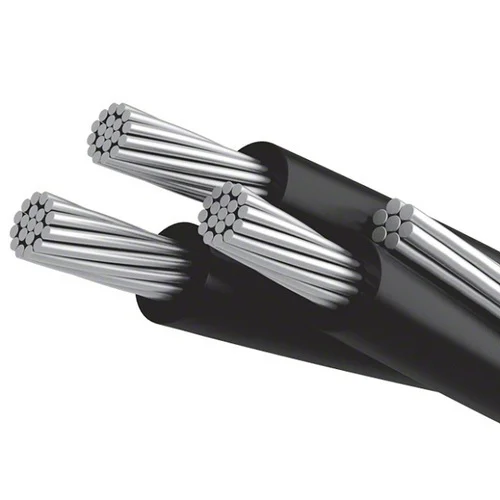
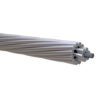
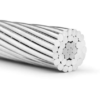
Aluminium Electrical Cable is a lightweight, conductive cable designed for efficient electrical power transmission and distribution across industrial, commercial, utility, and infrastructure applications. Its favourable strength-to-weight ratio and lower material cost make it a practical alternative to copper where weight and procurement economics are critical. The product supports reliable electrical connectivity while enabling cost-efficient large-scale installations. Its combination of conductivity, reduced weight, and commercial value makes it strategically important for modern power infrastructure and industrial sourcing.
2. Key Specifications & Technical Characteristics
- Material: Aluminium electrical conductor with suitable insulation/sheathing according to application requirements.
- Conductor Grade: Available in standard industrial and electrical grades, subject to specification.
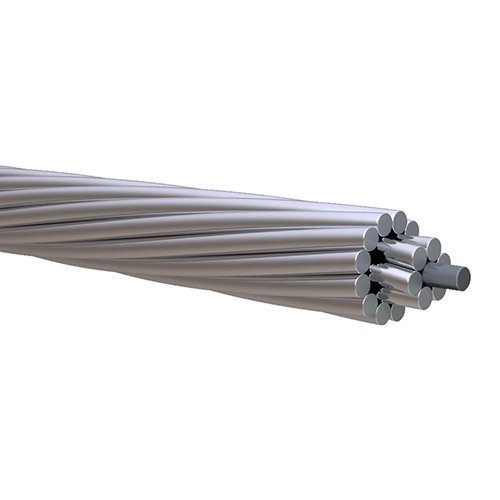
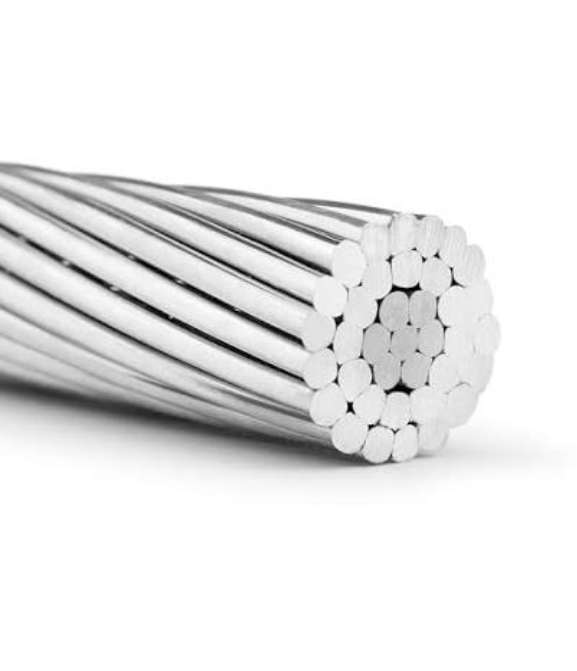
- Conductor Form: Solid or stranded aluminium conductor, depending on cable design and required flexibility.
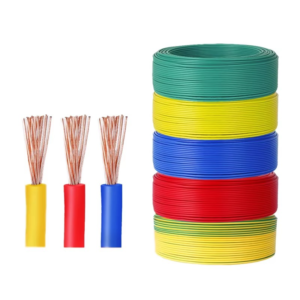
- Colour: Typically metallic aluminium conductor with insulation/sheathing available in industry-standard colours.
- Insulation: Available with PVC, XLPE, or other specified insulation systems according to application.
- Voltage Rating: Configurable to meet low-, medium-, or high-voltage application requirements.
- Cable Sizes: Available in multiple conductor cross-sections and core configurations.
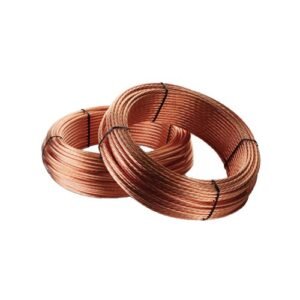
- Packaging: Coils, drums, or reels suitable for bulk transportation and industrial handling.
- Quality Documentation: Technical specifications, test certificates, and compliance documentation available according to order requirements.
- Shelf Life: Long-term storage capability when kept sealed, dry, protected from excessive heat, moisture, and mechanical damage.
3. Core Industrial Applications
- Power Distribution: Used in utility networks, substations, distribution systems, and electrical infrastructure.
- Construction: Suitable for commercial buildings, industrial facilities, residential developments, and infrastructure projects.
- Renewable Energy: Applied in solar, wind, and other power-generation installations where efficient power transmission is required.
- Industrial Plants: Used for equipment connections, internal power distribution, and electrical installations.
- Infrastructure Projects: Suitable for transport, telecommunications, utilities, and large-scale development projects.
- Operational Advantage: Aluminium provides dependable electrical conductivity with significantly lower weight than copper, simplifying handling and reducing installation and material costs.
- Cost Efficiency: Lower aluminium material costs can provide substantial procurement advantages for large-volume cable projects.
4. Competitive Advantages
- Quality Consistency: Manufactured to defined electrical and dimensional specifications for dependable performance across large projects.
- Supply Reliability: Structured bulk sourcing supports consistent availability for recurring industrial requirements.
- Logistics Capability: Bulk packaging and drum/reel configurations facilitate efficient international handling, transportation, and project delivery.
- Price Competitiveness: Aluminium offers an attractive cost-to-performance profile compared with copper for suitable applications.
- Sustainability: Aluminium is highly recyclable, supporting circular-material strategies and more resource-efficient infrastructure development.
- Technical Support: Product specifications, test documentation, and compliance information can be provided to support technical evaluation and procurement decisions.
- Strategic Sourcing Value: Combines electrical performance, reduced weight, competitive economics, and scalable supply for demanding B2B projects.
5. Commercial & Supply Information
- Minimum Order Quantity (MOQ): BULK 20 MT
- Loading Capacity: Subject to cable specification, drum dimensions, packaging configuration, and applicable container weight limits.


Reviews
There are no reviews yet.