1. Product Overview
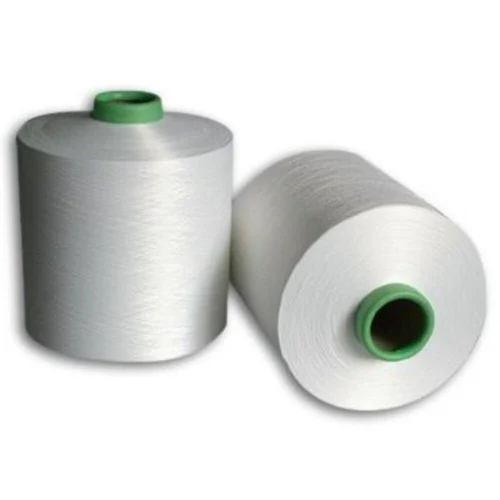
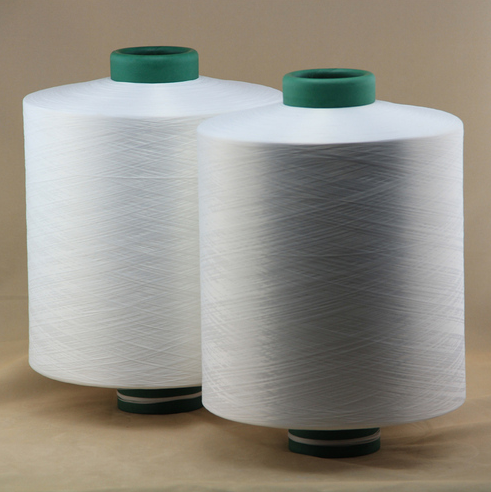
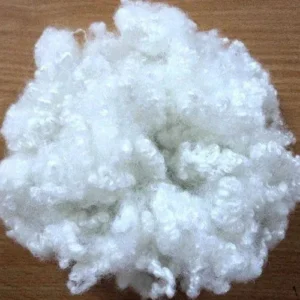
Polyester Staple Fiber (PSF) is a synthetic fiber produced primarily from polyester polymers, widely used across textile, nonwoven, filling, and industrial applications. It delivers consistent fiber performance, dimensional stability, strength, and cost efficiency, making it a dependable alternative to natural fibers in high-volume manufacturing. Its versatility and scalable supply make PSF a strategically important raw material for global textile and industrial manufacturers.
2. Key Specifications & Technical Characteristics
- Material Composition: Polyester, primarily polyethylene terephthalate (PET)
- Grade: Virgin or recycled polyester staple fiber; grades available according to application requirements
- Fiber Form: Short, cut fibers
- Color: Bright white, white, or application-specific colors
- Fiber Length: Commonly available in approximately 32–64 mm, depending on end use
- Denier: Available in multiple denier ranges according to spinning, filling, and nonwoven requirements
- Fiber Types: Solid, hollow, siliconized, non-siliconized, crimped, or low-melt options
- Physical Properties: Good tensile strength, resilience, abrasion resistance, dimensional stability, and moisture resistance
- Packaging: Typically packed in compressed bales, with packaging weight configured to buyer and shipment requirements
- Shelf Life: Generally stable under dry, clean, and properly ventilated storage conditions
3. Core Industrial Applications
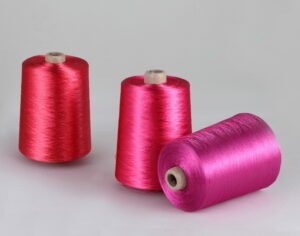
- Textile Manufacturing: Used in spun yarns, blended fabrics, apparel, home textiles, and industrial fabrics.
- Nonwoven Products: Applied in geotextiles, filtration media, hygiene products, automotive materials, and construction-related nonwovens.
- Home Furnishings: Used as filling material for pillows, cushions, mattresses, quilts, and furniture.
- Industrial Applications: Suitable for insulation, automotive components, filtration, reinforcement materials, and technical textiles.
- Performance & Cost Benefits: Provides reliable strength, resilience, dimensional stability, and processing consistency while offering competitive economics compared with many alternative fibers.
4. Competitive Advantages
- Quality Consistency: Controlled fiber properties support stable downstream processing and finished-product quality.
- Supply Reliability: Suitable for recurring industrial procurement and high-volume manufacturing programs.
- Logistics Capability: Compressed bale packaging supports efficient container utilization and international bulk shipment.
- Price Competitiveness: Cost-effective synthetic fiber solution for large-scale textile and industrial production.
- Sustainability: Recycled PSF options can support circular-material strategies and reduce dependence on virgin polyester feedstock.
- Technical Documentation: Product specifications, test documentation, and quality certificates can be provided according to buyer requirements.
- Strategic Sourcing Value: Combines versatility, scalable supply, consistent performance, and competitive cost for long-term industrial procurement.
5. Commercial & Supply Information
- Minimum Order Quantity (MOQ): 20 MT
- Bulk Supply: Available in bulk quantities for industrial and wholesale buyers
- Loading Capacity: Approximately 20–24 MT per 40-foot container, subject to fiber grade, bale density, packaging configuration, and shipping requirements
Reviews
There are no reviews yet.