
1. Product Overview
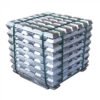
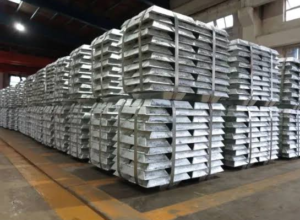
Aluminium Ingots are high-quality primary aluminium products manufactured for efficient downstream processing across global industrial markets. They are widely used in casting, extrusion, alloy production, automotive components, construction materials, electrical products, and general manufacturing. Their combination of low weight, corrosion resistance, recyclability, and excellent machinability makes aluminium a strategically important material for modern industrial supply chains. Consistent quality and dependable bulk supply support cost-efficient production and long-term sourcing requirements.
2. Key Specifications & Technical Characteristics
- Material: Aluminium metal, supplied in ingot form
- Typical Purity: 99.5%–99.7% aluminium, subject to agreed grade/specification
- Common Grades: Primary aluminium and alloy-specific grades available upon buyer requirements
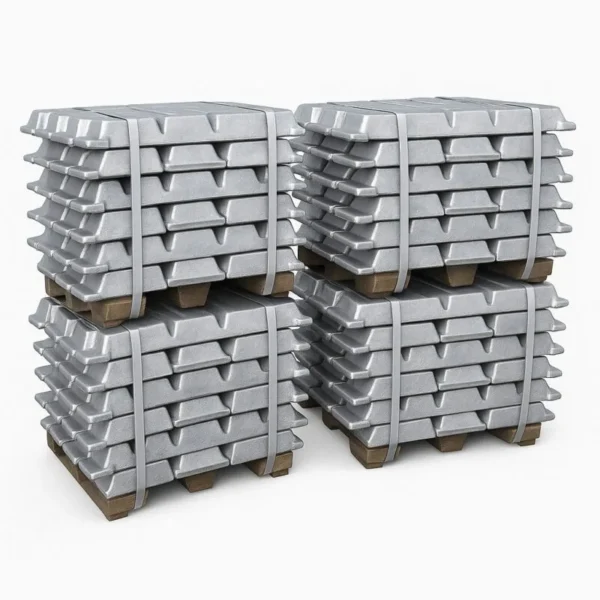
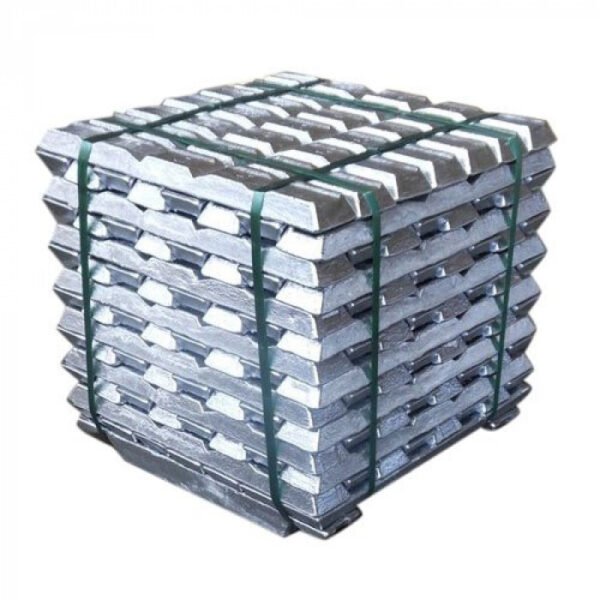
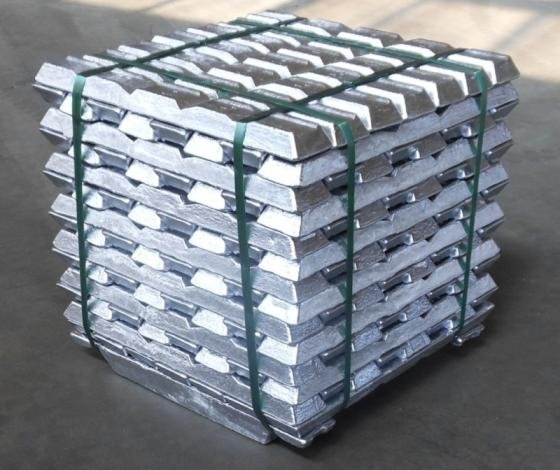
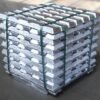
- Appearance: Solid metallic ingots with a silver-grey aluminium finish
- Form: Cast rectangular/standard industrial ingots
- Chemical Composition: Aluminium with controlled levels of iron, silicon, copper, magnesium, zinc, manganese, and other trace elements according to grade
- Physical Characteristics: Lightweight, high strength-to-weight ratio, corrosion resistant, ductile, and readily machinable
- Packaging: Bundled ingots, strapped and secured for export handling
- Customization: Grade, dimensions, chemical composition, and packaging can be specified according to contract requirements
- Shelf Life: Long-term stable under dry, protected storage conditions
3. Core Industrial Applications
- Aluminium Casting: Used as a primary feedstock for producing automotive, machinery, industrial, and consumer components.
- Automotive Manufacturing: Supports production of lightweight engine components, housings, wheels, structural parts, and other cast aluminium components.
- Construction: Used in manufacturing aluminium profiles, frames, structural components, roofing systems, and architectural products.
- Electrical & Electronics: Suitable for producing conductive components, cables, housings, and electrical applications where low weight and conductivity are important.
- Metal Fabrication & Manufacturing: Provides reliable feedstock for remelting, alloying, extrusion, rolling, and other downstream processes.
- Recycling & Secondary Processing: Aluminium can be repeatedly recycled, supporting material efficiency and reducing reliance on primary raw materials.
4. Competitive Advantages
- Quality Consistency: Controlled composition and standardized production support dependable downstream processing and finished-product quality.
- Supply Reliability: Structured bulk sourcing enables stable procurement for manufacturers and industrial distributors.
- Logistics Capability: Export-ready bundling and containerized shipment support efficient international transportation and handling.
- Price Competitiveness: Bulk 20 MT procurement provides opportunities for competitive commercial terms and optimized landed cost.
- Sustainability: Aluminium is highly recyclable, helping manufacturers reduce material waste and improve resource efficiency.
- Technical Documentation: Product specifications, chemical composition details, inspection documentation, and relevant quality certificates can be provided according to contractual requirements.
- Strategic Sourcing Value: A dependable aluminium ingot supply supports production continuity, inventory planning, and long-term procurement efficiency.
5. Commercial & Supply Information
- Minimum Order Quantity (MOQ): Bulk — 20 MT
- Loading Capacity: Approximately 20–25 MT per standard 20-foot container, subject to ingot dimensions, packaging, container payload limits, and shipping regulations
- Supply Basis: Bulk international B2B supply
Reviews
There are no reviews yet.