


1. Product Overview
Petroleum Coke Fuel Grade is a carbon-rich solid fuel produced during petroleum refining, valued for its high calorific value and suitability for energy-intensive industrial operations. It is widely used in cement manufacturing, lime production, industrial boilers, and other high-temperature processes requiring a cost-effective fuel source. Its energy density and potential for consistent combustion make it an important option for industrial facilities seeking to optimize fuel consumption and operational costs. As a globally traded industrial commodity, fuel-grade petroleum coke supports large-scale energy and manufacturing supply chains.
2. Key Specifications & Technical Characteristics
- Product Name: Petroleum Coke Fuel Grade
- Material Composition: Primarily carbon, with variable sulphur, volatile matter, moisture, ash, and trace metals.
- Grade: Fuel Grade
- Carbon Content: Typically 80–90% fixed carbon, depending on grade and analytical basis.
- Sulphur Content: Available in varying sulphur grades, subject to product specification.
- Calorific Value: Typically approximately 7,500–8,500 kcal/kg, depending on composition and moisture.
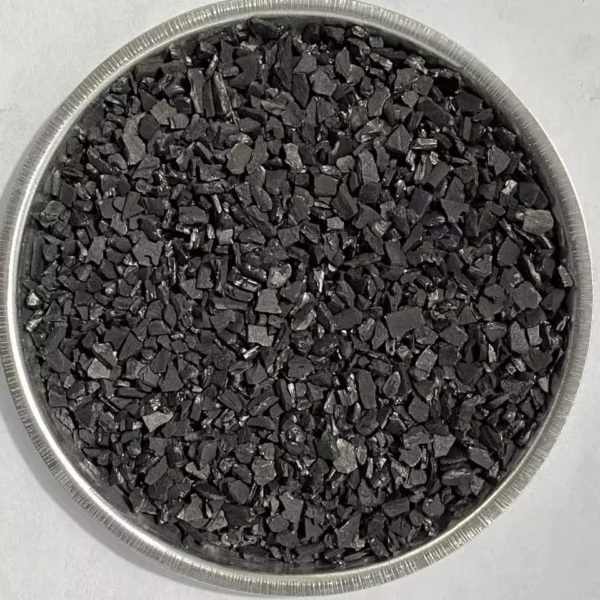
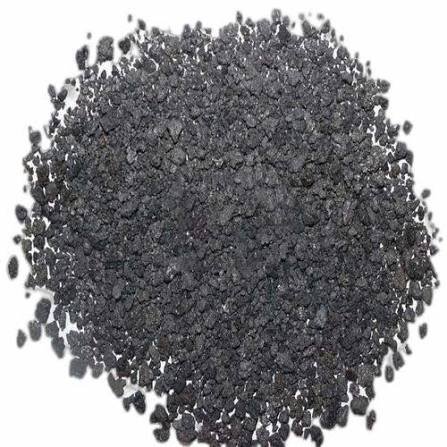
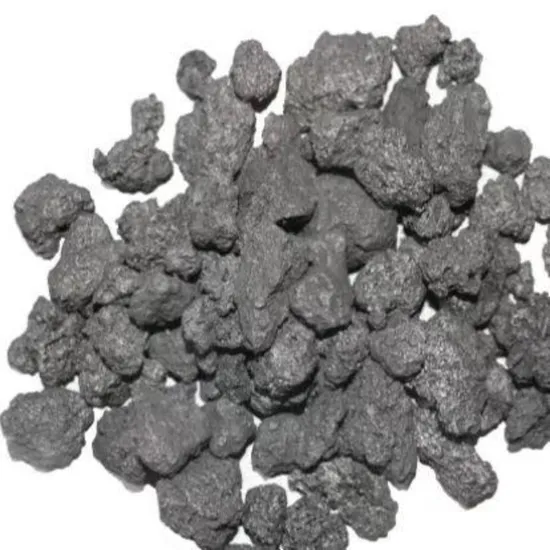
- Physical Form: Solid granules, lumps, or crushed material.
- Colour: Black to dark grey.
- Particle Size: Fine, granular, or lump sizes available according to requirements.
- Moisture Content: Specification-dependent.
- Ash Content: Specification-dependent.
- Packaging Options: Bulk vessel shipment, bulk handling, or suitable industrial packaging, subject to availability.
- Shelf Life: Generally stable under dry, covered storage conditions; protect from moisture and contamination.
- Origin: Subject to refinery source and shipment availability.
- Documentation: Certificate of Analysis (COA), Safety Data Sheet (SDS), and relevant shipping documents, subject to availability.
3. Core Industrial Applications
- Cement Manufacturing: Used as a fuel in rotary kilns to support high-temperature clinker production and manage energy costs.
- Lime Production: Supplies thermal energy for lime kilns and other high-temperature processing operations.
- Industrial Boilers: Used in compatible combustion systems for process heat and steam generation.
- Power Generation: Suitable for certain industrial power-generation facilities equipped to handle petroleum coke.
- Metallurgical and Mineral Processing: Used in selected high-temperature industrial processes where fuel-grade petroleum coke meets operational requirements.
- Industrial Energy Supply: Supports energy-intensive operations requiring a high-energy solid fuel.
Operational Advantages: Its high energy content can reduce fuel-handling and transport requirements per unit of energy compared with lower-calorific-value fuels. Actual performance depends on sulphur content, combustion-system compatibility, emissions controls, fuel preparation, and operating conditions.
4. Competitive Advantages
- Quality Consistency: Product specifications can be aligned with agreed requirements for calorific value, sulphur, moisture, ash, and particle size.
- Supply Reliability: Bulk sourcing options support industrial fuel procurement and planned replenishment, subject to availability and contract terms.
- Logistics Capability: Supply arrangements can accommodate bulk cargo handling, export documentation, and international shipment coordination.
- Price Competitiveness: High energy density and competitive sourcing may help industrial buyers optimize fuel costs.
- Operational Efficiency: Suitable grades can support reliable thermal performance in compatible industrial combustion systems.
- Environmental and Compliance Considerations: Petroleum coke may offer fuel-cost advantages, but combustion can produce significant sulphur dioxide, particulate matter, and carbon dioxide emissions. Suitability depends on applicable environmental regulations and emissions-control systems.
- Technical Documentation: Product specifications, Certificates of Analysis, Safety Data Sheets, and supporting shipping documentation can be provided subject to availability.
- Strategic Sourcing Value: A specification-led supply approach helps buyers evaluate product quality, delivered cost, logistics requirements, and long-term procurement needs.
5. Commercial & Supply Information
- Minimum Order Quantity (MOQ): Bulk 20 MT.
- Loading Capacity: Approximately 20–25 MT per 20-foot container, subject to cargo density, loading method, container payload limits, and applicable transport regulations. Bulk vessel shipment may be more suitable for larger volumes.



Reviews
There are no reviews yet.