





1. Product Overview
Heavy Naphtha is a petroleum-derived hydrocarbon liquid widely used as a feedstock in petrochemical processing, catalytic reforming, and gasoline blending. Comprising predominantly higher-boiling hydrocarbons, its composition and performance depend on the refining process and specified grade. It supports the production of high-octane blending components, aromatic chemicals, and other valuable industrial intermediates. As a strategic refinery feedstock, Heavy Naphtha plays an important role in fuel manufacturing, petrochemical production, and integrated energy supply chains.
2. Key Specifications & Technical Characteristics
- Chemical Composition: Blend of petroleum-derived hydrocarbons, typically including paraffins, naphthenes, and aromatics.
- Purity / Grade: Refinery-grade; specifications depend on the intended application and supplier.
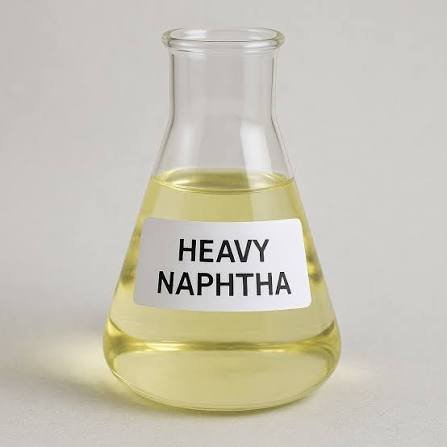
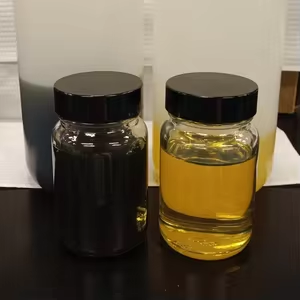
- Physical Form: Clear liquid, generally colourless to pale yellow.
- Boiling Range: Typically approximately 90–200°C, depending on grade and refinery source.
- Density: Varies by composition and specification; supplier-certified values apply.
- Solubility: Insoluble in water; soluble in many organic solvents.
- Packaging Options: Bulk tanker, tank containers, or other approved bulk-liquid transport systems.
- Shelf Life: Depends on storage conditions, product stability, and supplier recommendations.
- Origin: Available from petroleum refineries and petrochemical producers, subject to origin and availability.
- Documentation: Certificate of Analysis (CoA), Safety Data Sheet (SDS), and relevant quality and transport documentation, subject to supplier availability.
3. Core Industrial Applications
- Petroleum Refining: Used as feedstock for catalytic reforming to produce high-octane reformate and valuable hydrocarbon streams.
- Petrochemical Manufacturing: Suitable for processing into aromatic compounds and other chemical intermediates, depending on composition and processing configuration.
- Gasoline Blending: Used as a blending component where its properties meet the required fuel specifications.
- Industrial Processing: Supports integrated refinery operations seeking to optimise hydrocarbon conversion and product yield.
- Operational Advantages: Provides a versatile hydrocarbon feedstock that can support efficient processing, product diversification, and refinery value optimisation when matched to the appropriate process.
4. Competitive Advantages
- Quality Consistency: Product quality can be aligned with agreed technical specifications and verified through batch documentation.
- Supply Reliability: Sourcing options can be coordinated with refinery availability, contractual volumes, and delivery schedules.
- Logistics Capability: Bulk-liquid transport and shipment arrangements can support domestic and international supply, subject to destination requirements.
- Price Competitiveness: Commercial terms can be structured around order volume, grade, origin, market conditions, and delivery arrangements.
- Responsible Handling: Appropriate storage, spill prevention, emissions control, and transport procedures support safer handling and environmental risk management.
- Technical Documentation: Relevant specifications, SDS, CoA, and shipping documentation can be provided subject to availability and contractual agreement.
- Strategic Sourcing Value: Offers industrial buyers a versatile refinery feedstock for fuel production, petrochemical processing, and integrated energy operations.
5. Commercial & Supply Information
- Minimum Order Quantity (MOQ): BULK 20 MT.
- Loading Capacity: Dependent on transport equipment, product density, tank capacity, applicable weight limits, and shipping regulations; confirmed according to the selected logistics arrangement.



Reviews
There are no reviews yet.