

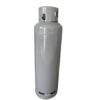
1. Product Overview
LPG Propane Grade is a high-energy hydrocarbon fuel composed primarily of propane (C₃H₈), supplied in liquefied form under pressure for efficient storage and transportation. It is widely used for industrial heating, commercial energy generation, manufacturing processes, and specialized fuel applications. Its high calorific value, clean combustion characteristics, and operational versatility make it a dependable energy source for industries seeking reliable thermal performance. As a globally traded fuel commodity, propane supports energy security, operational efficiency, and flexible fuel sourcing across multiple sectors.
2. Key Specifications & Technical Characteristics
- Chemical Composition: Primarily propane (C₃H₈); may contain minor quantities of other hydrocarbons depending on specification.
- Grade: LPG Propane Grade; commercial or industrial specification subject to agreed product standards.
- Purity Level: As per supplier specification and applicable industry standards.
- Physical Form: Liquefied gas under pressure.
- Appearance: Colourless gas under ambient conditions; liquid when pressurised or sufficiently cooled.
- Odour: Typically odorised for fuel distribution; industrial specifications may vary.
- Boiling Point: Approximately −42°C at atmospheric pressure for pure propane.
- Relative Density: Vapour is heavier than air.
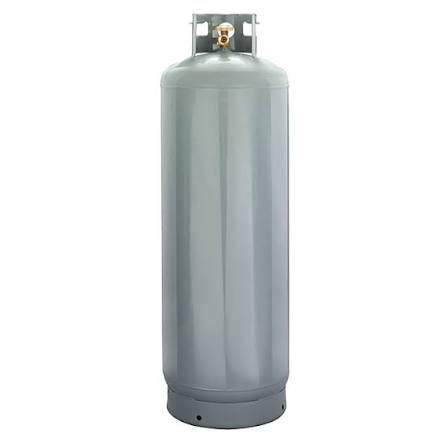
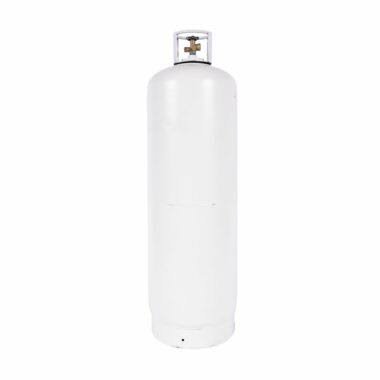
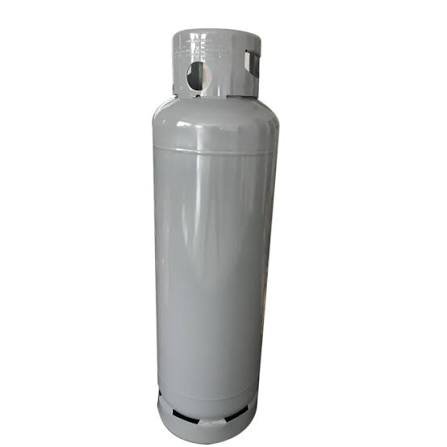
- Packaging Options: Pressurised cylinders, bulk storage tanks, tank trucks, and specialised LPG transport vessels, subject to supply arrangements.
- Shelf Life: Stable when stored in properly maintained, approved, sealed pressure vessels under recommended conditions.
- Origin: Subject to supplier availability and confirmed shipment documentation.
- Documentation: Certificate of Analysis (CoA), Safety Data Sheet (SDS), and relevant quality and transport documents, subject to availability.
3. Core Industrial Applications
- Manufacturing & Industrial Processing: Provides process heat for industrial furnaces, ovens, dryers, and production equipment.
- Commercial & Institutional Facilities: Supports heating, cooking, hot-water systems, and other thermal energy requirements.
- Chemical & Petrochemical Industries: Serves as a hydrocarbon feedstock for selected chemical manufacturing and petrochemical processes.
- Agriculture & Food Processing: Supplies heat for crop drying, food processing, and suitable agricultural operations.
- Construction & Metalworking: Powers compatible heating equipment, roofing applications, and selected metalworking processes.
- Energy & Power Generation: Used in compatible generators and distributed energy systems where LPG is an approved fuel.
Propane offers high energy output, controllable combustion, and convenient bulk storage compared with some conventional solid fuels. Its suitability depends on equipment compatibility, local fuel economics, safety requirements, and the intended application.
4. Competitive Advantages
- Quality Consistency: Product specifications can be agreed in advance, with quality verification subject to available inspection and certification.
- Supply Reliability: Bulk procurement arrangements can support recurring industrial demand, subject to confirmed availability and supply contracts.
- Logistics Capability: Supply options may include bulk road transport, pressurised storage systems, and specialised maritime transportation, depending on destination and infrastructure.
- Price Competitiveness: Bulk purchasing and structured supply agreements can help buyers manage procurement costs and improve supply planning.
- Operational Efficiency: High calorific value and controllable heat output support efficient performance in compatible equipment.
- Environmental Considerations: Propane generally produces fewer particulates and lower sulphur emissions than many conventional solid fuels, although it remains a fossil fuel that emits carbon dioxide during combustion.
- Technical Support & Documentation: Product specifications, safety documentation, and shipment-related records can be provided subject to supplier availability and contractual requirements.
5. Commercial & Supply Information
- Minimum Order Quantity (MOQ): BULK 20 MT.
- Loading Capacity (MT per Container): Subject to approved transport equipment, tank capacity, applicable weight limits, and destination regulations. Actual loading quantity to be confirmed before shipment.


Reviews
There are no reviews yet.