
1. Product Overview
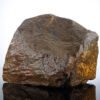
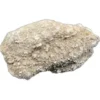
Phosphate Rock is a naturally occurring mineral primarily composed of phosphate-bearing minerals, serving as a critical raw material for the production of phosphate fertilizers and industrial phosphates. It is widely processed into phosphoric acid, DAP, MAP, SSP, and other phosphate-based products essential to modern agriculture. Its reliable phosphate content and suitability for industrial beneficiation make it a strategically important input for fertilizer manufacturers and large-scale agricultural supply chains. Consistent sourcing supports efficient production planning, cost control, and long-term supply security.
2. Key Specifications & Technical Characteristics
- Primary Composition: Phosphate minerals, predominantly apatite, with varying levels of phosphorus pentoxide (P₂O₅)
- Grade/Purity: Commercial fertilizer-grade; typical P₂O₅ content supplied according to buyer specification
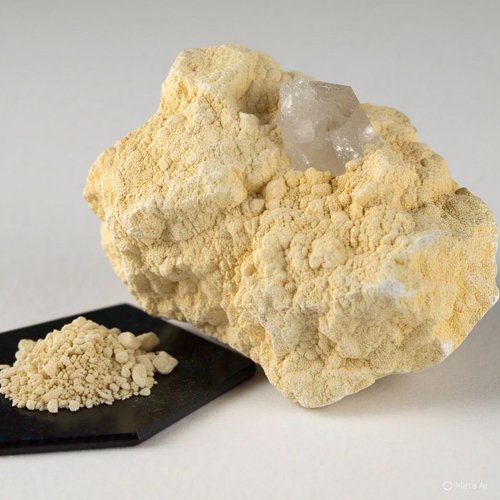
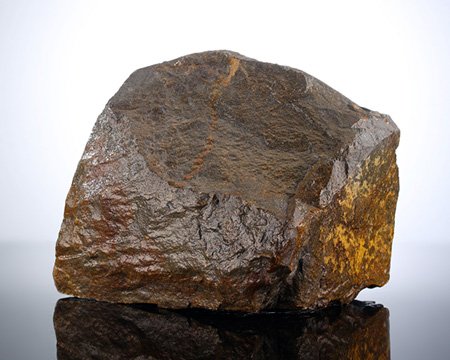
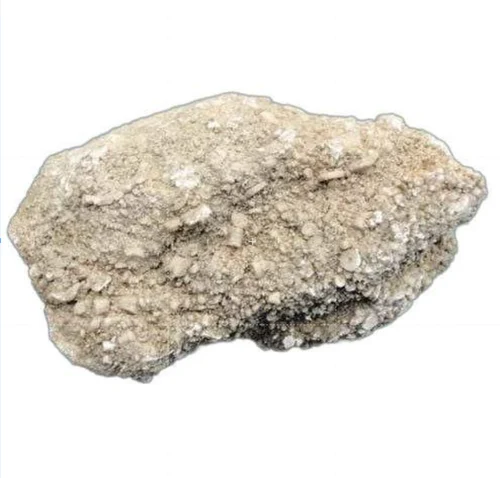
- Physical Form: Crushed rock, granular or powder form
- Color: Typically grey, brown, beige, or off-white, depending on mineral origin
- Particle Size: Supplied in accordance with processing and buyer requirements
- Moisture: Controlled according to agreed commercial specification
- Impurities: Calcium, silica, carbonate and other naturally occurring mineral components may be present
- Packaging: Bulk shipment, jumbo bags, or other industrial packaging options subject to contract
- Shelf Life: Stable under dry, covered storage conditions; protect from excessive moisture and contamination
3. Core Industrial Applications
- Fertilizer Manufacturing: Primary feedstock for phosphoric acid and phosphate fertilizers including DAP, MAP, SSP, and TSP.
- Phosphoric Acid Production: Chemically processed to produce phosphoric acid for fertilizer and industrial applications.
- Agricultural Inputs: Supports the production of phosphorus-based fertilizers essential for crop nutrition and yield optimization.
- Industrial Phosphates: Used as a mineral feedstock for selected phosphate-based chemicals and related industrial products.
- Beneficiation & Processing: Can be crushed, screened, concentrated, and chemically processed to achieve required phosphate specifications.
Phosphate Rock provides a cost-effective mineral source of phosphorus and enables large-scale downstream fertilizer production, making it more commercially practical than relying solely on higher-cost processed phosphate intermediates.
4. Competitive Advantages
- Quality Consistency: Controlled specifications support predictable downstream processing and fertilizer production.
- Supply Reliability: Suitable for long-term bulk procurement programs and recurring industrial requirements.
- Logistics Capability: Available for bulk international shipment with loading and documentation coordinated to buyer requirements.
- Price Competitiveness: Direct bulk sourcing can provide attractive economics for fertilizer manufacturers and industrial processors.
- Strategic Importance: Provides a fundamental mineral feedstock for global phosphate fertilizer production and agricultural supply chains.
- Sustainability: As a naturally occurring mineral resource, phosphate rock supports efficient production of phosphorus-based agricultural inputs while reducing dependence on imported processed intermediates.
- Technical Documentation: Product specifications, quality documentation, certificates of analysis, and relevant shipping documentation can be provided subject to contract and origin.
5. Commercial & Supply Information
- Minimum Order Quantity (MOQ): BULK 20 MT
- Loading Capacity: Approximately 20–25 MT per 20-foot container, subject to product density, packaging method, container payload limits, and destination requirements


Reviews
There are no reviews yet.